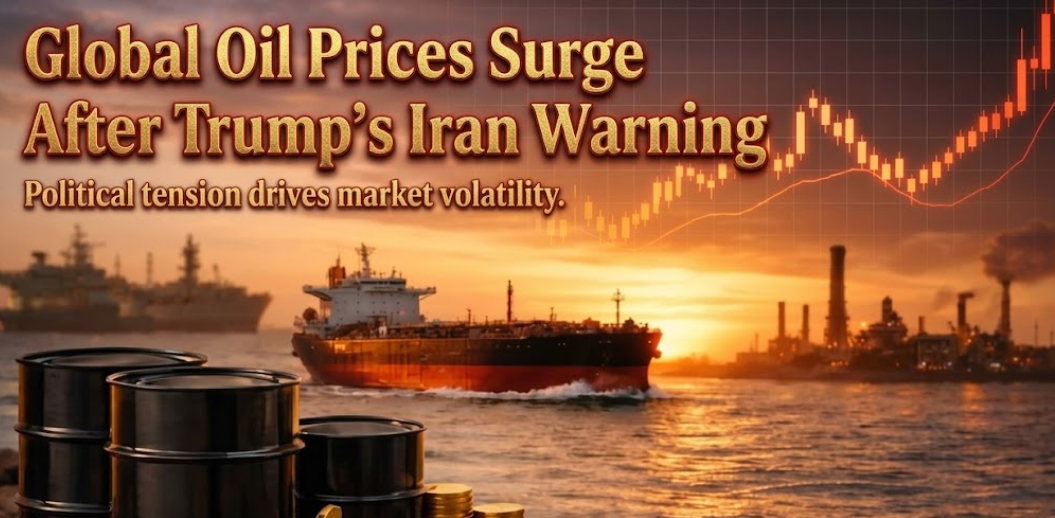
Global Oil Prices Surge After Trump’s Iran Warning.

Global Oil Prices Surge After Trump’s Iran Warning

Global crude oil prices have been increased again following remarks delivered by Donald Trump regarding tensions involving Iran.

As a result, uncertainty has been created in international energy markets. Consequently, investors have reacted cautiously to possible supply disruptions.


Supply Concerns Linked to Strait of Hormuz

Market expectations that restrictions affecting the Strait of Hormuz could soon be eased were weakened after the speech.

This narrow shipping route is considered extremely important because nearly 20% of global energy demand is transported through it. Therefore, any disruption in this region is closely monitored by global markets.

As a result, oil supply concerns were strengthened further after the warning statements were delivered.

Brent Crude Oil Prices Increased by 4%

Before the presidential speech began, the price of Brent crude oil had been recorded at 100 US dollars per barrel.

During the speech, price fluctuations were observed in the global market. However, by the end of the trading session, the price had increased by nearly 4%, reaching approximately 105.38 US dollars per barrel.

Therefore, renewed investor concern about supply chain risks has been reflected in the price movement.


Investors React to Escalating Political Warnings

Strong warnings regarding possible leadership changes in Iran and threats involving infrastructure damage were highlighted during the speech.

As a result, additional risks to the global oil supply chain were anticipated by investors. Consequently, analysts have indicated that these concerns contributed directly to the recent price increase.

Furthermore, continued geopolitical uncertainty in the region is expected to influence global energy markets in the coming weeks.

Global Economic Impact Closely Monitored

Because the Strait of Hormuz plays a vital role in global oil transportation, developments in the region are being closely monitored by economic observers worldwide.

Therefore, further price volatility is expected if geopolitical tensions remain unresolved.

As a result, global markets are likely to remain sensitive to future political developments affecting energy supply routes.
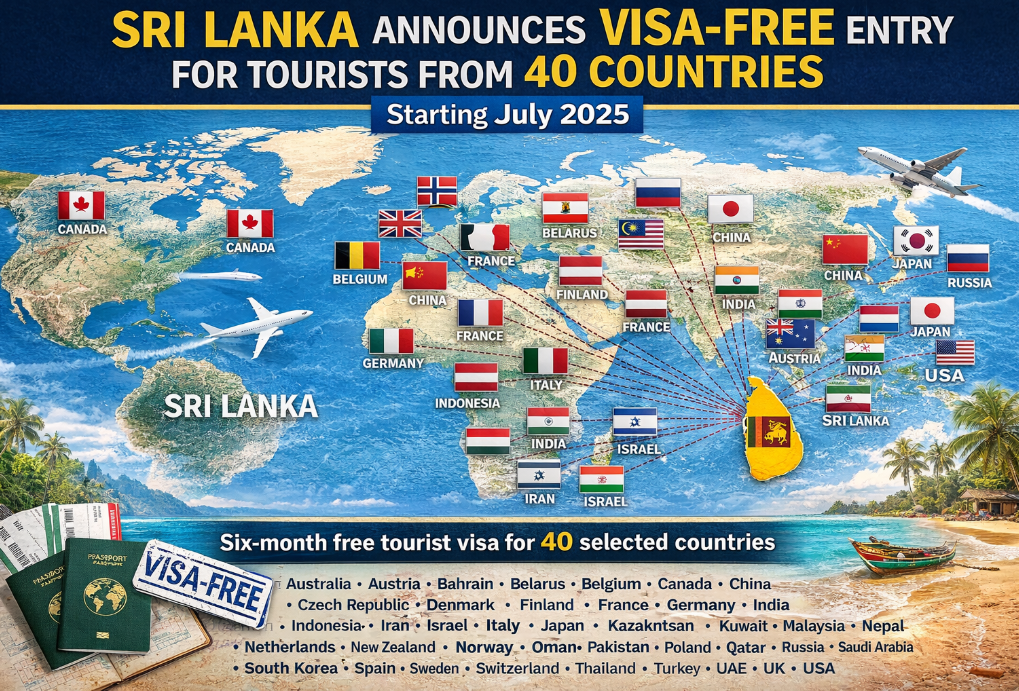

Sri Lanka Approves Free Tourist Visas for 40 Countries.

A six-month free tourist visa program has been approved by the Sri Lankan Cabinet to attract more international visitors and strengthen the country’s tourism sector.

The decision was officially announced after the Cabinet meeting held on July 21, 2025. Under this initiative, travelers holding passports from 40 selected countries will be allowed to enter Sri Lanka without paying visa fees during the promotional period.

This temporary visa-free policy has been introduced as part of a broader strategy to increase tourist arrivals and improve foreign exchange earnings through tourism activities.

Cabinet Approval Granted for Tourism Promotion

The proposal was submitted by the Minister of Public Security and Parliamentary Affairs. Subsequently, approval was granted by the Cabinet to proceed with the legal framework required under the Immigration and Emigration Act.

Draft regulations prepared by the Legal Draftsman are expected to be presented to Parliament for final implementation approval.

As a result, the program is expected to support Sri Lanka’s efforts to position itself as a leading travel destination in Asia.

Visitors From 40 Countries to Benefit

Under the new initiative, travelers from countries including the United States, United Kingdom, India, China, Japan, Australia, Canada, Germany, France, Italy, Switzerland, Spain, Saudi Arabia, UAE, Malaysia, Thailand, Russia, South Korea, and Netherlands will be eligible for free tourist visas.

In addition, visitors from several European, Middle Eastern, and Asian nations will also benefit from this temporary visa waiver program.

Therefore, increased tourist arrivals are expected during the six-month promotional period.


Tourism Growth Expected to Support the Economy

Through this policy, stronger international travel demand is expected to be generated. As a result, the hospitality industry, transport sector, and local businesses are likely to benefit significantly.

Furthermore, tourism revenue has already been identified as one of Sri Lanka’s major foreign income sources, contributing billions of dollars annually to the national economy.

Consequently, this visa-free initiative is expected to strengthen Sri Lanka’s global tourism competitiveness while supporting economic recovery efforts.

Government Targets Higher Tourist Arrivals

With this initiative in place, Sri Lanka is expected to attract a higher number of visitors from key global travel markets.

At the same time, the country’s reputation as a safe and welcoming travel destination is expected to be strengthened internationally.

Therefore, the program is being viewed as an important step toward long-term tourism sector growth.

Mini-Shutdown Hits U.S. Homeland Security

The U.S. Homeland Security Department is experiencing a mini-shutdown, now entering its 45th day, after Democrats and Republicans failed to reach agreement on department funding. Last week, both the Senate and House of Representatives voted on different financing proposals, but no unified solution was agreed upon before the weekend.

The funding deadlock stems from a political dispute over Immigration and Customs Enforcement (ICE) operations, which are part of the department. ICE raids, carried out as part of President Donald Trump’s strict deportation policy, have drawn widespread criticism. Critics highlight violent and heavily armed federal agents, whose conduct in Minnesota in January resulted in the deaths of two U.S. citizens during Minneapolis operations.

Democrats in the Senate refused to approve the department budget, demanding reforms including a ban on mask-wearing for federal officers and mandatory body cameras for accountability. The shutdown has also halted salaries for security personnel at U.S. airports, resulting in numerous staff calling in sick. Consequently, long lines at airport security checkpoints and flight delays have affected thousands of travelers.

Experts warn that without immediate resolution, the mini-shutdown could further disrupt government services, heighten public safety risks, and exacerbate tensions between political parties over immigration enforcement. Interim measures have not yet been implemented, and the deadlock highlights the continuing challenge of balancing border security with civil rights reforms.

Rising Interest from Wealthy Gulf Residents in Switzerland

Interest in Switzerland is being shown by wealthy residents of Dubai and the broader Gulf region, as a safe destination for storing wealth and possibly relocating. Although it is too early to declare an exodus, signs of shifting attention are being detected by advisors and financial professionals.

Transfers of funds to Swiss banks are already reported to be underway, according to Patrick Akiki of PWC Switzerland. Accounts are being opened, but the process is being slowed by regulatory scrutiny. Swiss banking institutions now apply strict checks to incoming capital, and the setup procedures are time‑consuming. Other advisers have reported similar activity, though most are declining to comment publicly. Swiss banks themselves have remained largely silent on the trend.

Switzerland’s appeal is not limited to the financial sector. Prospective clients are seeking information about residence options, private schooling systems, property purchase and rental rules, and how Switzerland’s lump‑sum tax regime functions. Under this system, foreign nationals who do not seek employment in Switzerland agree to a predetermined fixed tax payment in exchange for residency.

While a sense of panic has not been identified, many wealthy UAE residents are said to be observing Switzerland closely, according to another wealth manager. Switzerland already serves as a key hub for wealth from the Gulf. Nearly a quarter of assets managed in Swiss institutions reportedly originate from the region, Deloitte data suggests. As the Gulf’s longstanding strengths—security, public services, and high quality of life—are being evaluated, Switzerland’s stable franc and tranquil reputation continue to attract confidence.

How long regional tensions persist is expected to influence future movement. Should geopolitical pressures continue, the appeal of Gulf financial centers may diminish further — and Switzerland, along with other competitors, could benefit from the shift.

Surakimu Lanka Program Launched to Save Energy Nationwide

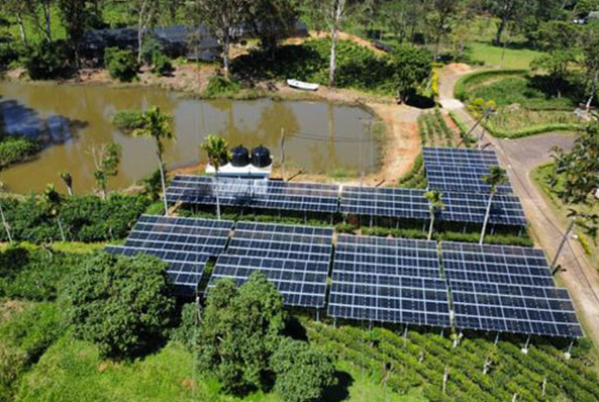
The “Surakimu Lanka” national energy conservation program has been officially launched across Sri Lanka to encourage responsible electricity usage during a period of expected energy supply pressure.

The initiative has been introduced by the Sri Lanka Sustainable Energy Authority to support national efforts aimed at reducing electricity consumption, especially during peak evening hours.

Under the program, the public has been advised to switch to low-capacity lighting solutions such as LED bulbs. These energy-efficient alternatives have been recommended as a practical step to reduce household electricity demand nationwide.

Furthermore, citizens have been encouraged to minimize unnecessary electricity usage between 6:00 PM and 10:00 PM, which has been identified as the peak demand period.

The conservation campaign has been introduced in response to concerns about possible disruptions in fuel and energy supplies caused by the ongoing Middle East conflict.

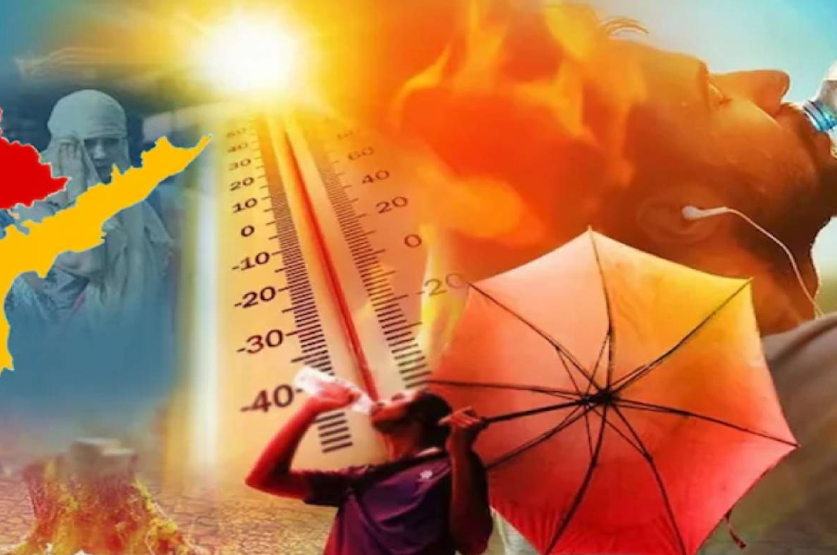
In addition, forecasts related to the expected El Niño weather pattern have been considered when planning the initiative, as energy demand may increase during extended dry conditions.

The “Surakimu Lanka” program will remain active for the next five months, during which nationwide awareness activities and conservation guidance will be implemented.

As a result, improved energy stability is expected to be supported while reducing pressure on national electricity supply systems during the high-demand season.

Authorities have stated that public cooperation will be considered essential for the success of this national conservation effort.

Global Gold Prices Surge Sharply in International Market.

Global gold and silver prices recorded a sharp increase in the international market today (March 29, 2026). This sudden surge reflects growing investor demand and ongoing economic uncertainty across global financial markets.

According to the latest reports, the price of one ounce of gold has reached $4,493.79, marking a significant rise compared to previous trading sessions. Analysts state that geopolitical tensions and inflation concerns continue to drive investors toward safe-haven assets like gold.

At the same time, silver prices also experienced a strong upward movement. One ounce of silver is currently trading at $69.77, showing increased demand in both industrial and investment sectors.

Over the past few days, domestic gold prices have fluctuated due to these global trends. Experts predict that jewelry gold prices may continue to change in the coming days, especially as international market volatility remains high.

Furthermore, economists highlight that currency fluctuations and global trade uncertainty play a major role in influencing precious metal prices. As a result, both investors and consumers are closely monitoring market developments.

Sri Lanka Thanks India for Emergency Fuel Support.

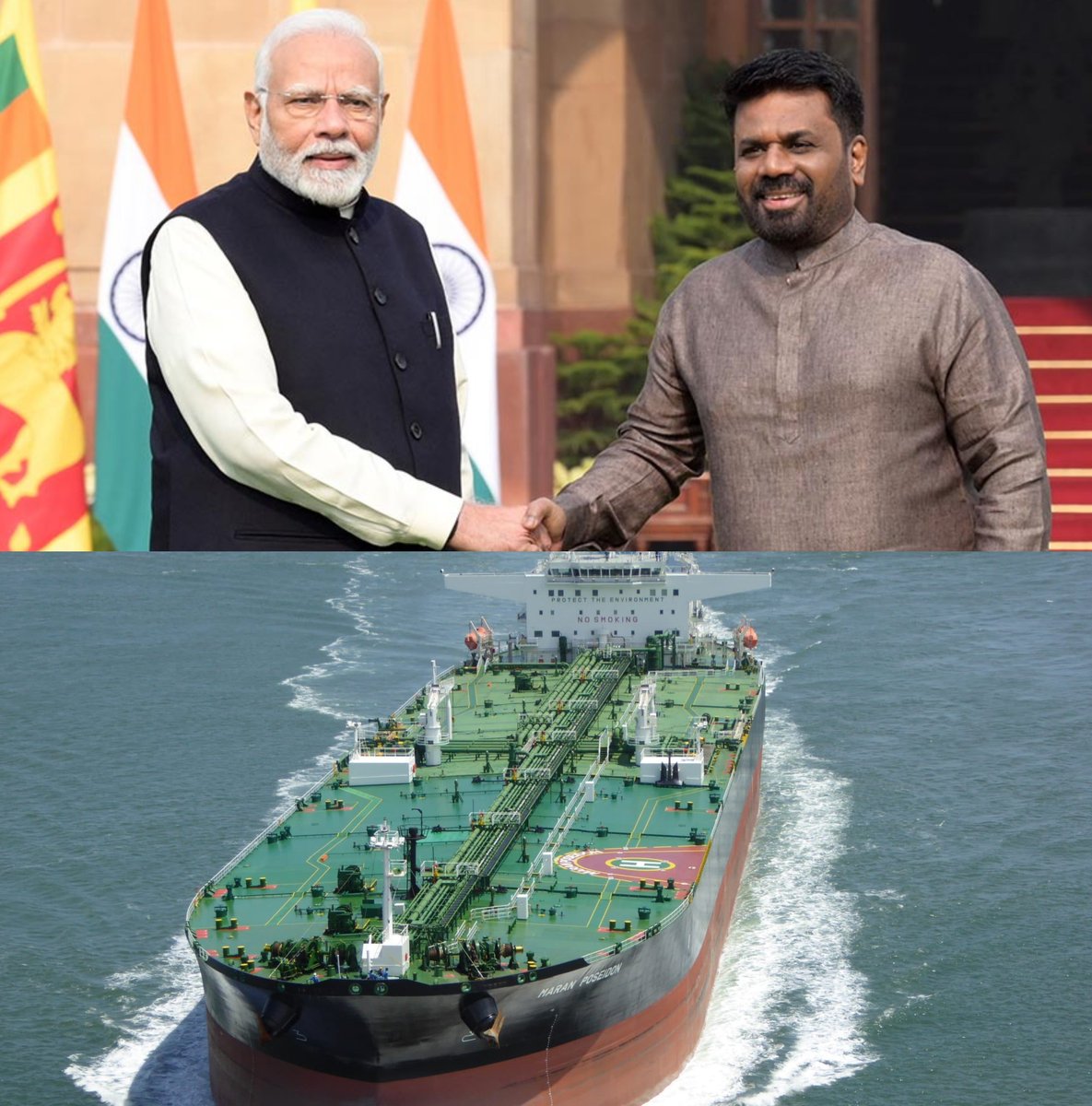
Sri Lankan President Anura Kumara Dissanayake has officially thanked Indian Prime Minister Narendra Modi for providing urgent fuel support during the country’s ongoing supply challenges. The assistance comes at a crucial time as Sri Lanka continues to face disruptions caused by geopolitical tensions in the Middle East.

The President shared his gratitude through his official X (Twitter) account, highlighting India’s swift and timely response. He emphasized that the support played a key role in stabilizing the fuel supply situation and preventing further economic strain.

Earlier discussions between the two leaders focused on addressing Sri Lanka’s fuel distribution issues. Following these talks, India acted quickly and dispatched a fuel shipment to Colombo. As a result, approximately 38,000 metric tons of fuel successfully arrived in the country, providing immediate relief.

In addition, President Dissanayake extended his appreciation to Indian External Affairs Minister S. Jaishankar for coordinating the effort. He noted that strong diplomatic cooperation between Sri Lanka and India continues to play an important role in overcoming economic challenges.

Furthermore, this development highlights the growing regional partnership and reinforces India’s role as a key ally in times of crisis. It also reflects the importance of international cooperation in ensuring energy security and economic stability.

Sri Lanka Urges Public Not to Stockpile Essentials

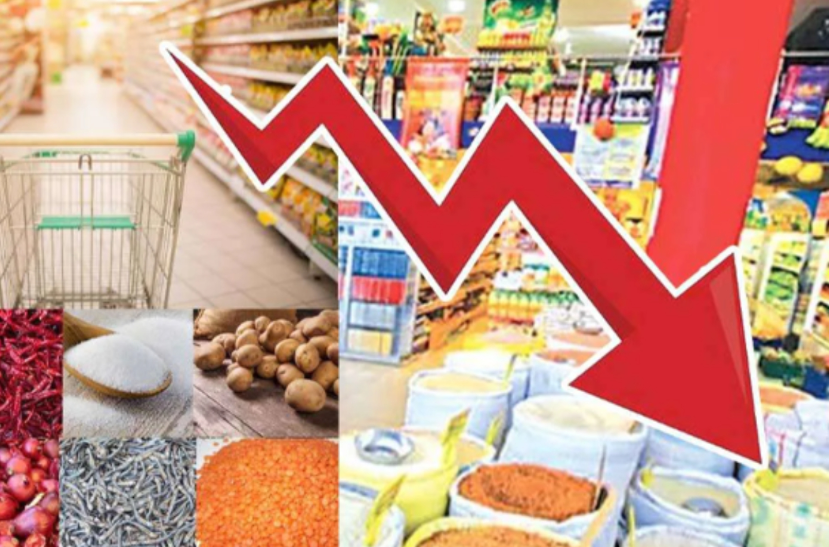
The Consumer Affairs Authority (CAA) has urged the public not to hoard essential goods amid fears of supply shortages. CAA Director Asela Bandara stated that consumers should avoid buying more than they need.

He assured the public that no shortages will occur during the festive season. Essential goods will remain available for everyone.

Customs spokesperson Sandana Punchihewa clarified that imports face no restrictions. Minor delays occur only because inspection facilities are limited. Authorities are currently expanding these facilities to reduce delays.

Meanwhile, B. Subramaniam, Secretary of the Essential Food Importers and Traders Association, highlighted that artificial scarcity and price hikes are driven by middlemen, not by actual shortages.

Imports of pulses from Australia are expected to arrive by the end of March. Prices will stabilize between LKR 265–270 per kilogram in the first week of April. Even if fuel prices rise during the festive season, essential food prices are expected to increase by no more than LKR 20.

Trade, Commerce, Food Security, and Cooperative Development Minister Vasantha Samarasinha emphasized that there are no controlled prices on pulses, so retailers cannot intervene aggressively.

However, the CAA will take strict action if traders attempt to hoard goods. Authorities have already procured 90% of essential items needed for the festive season.

Officials urge citizens to buy responsibly and avoid panic purchases to ensure supplies remain steady across the country.

Water Tariff Changes Under Review in Sri Lanka.

The National Water Supply and Drainage Board has started reviewing water tariff changes. Officials have not yet decided on the requests submitted by the public.

National Water Supply and Drainage Board Chairman Sandhana Bandara said that the board evaluates tariff adjustments only twice per year. He warned that if the ongoing drought continues, the board may have to reduce water supply to prioritize essential needs.

The government plans to build additional water production facilities to meet growing demand. A 50,000 cubic meter plant will be set up in Ambatale, and a 136,000 cubic meter plant will operate under the Kalu Ganga project. These projects aim to strengthen water supply and secure resources for the future.

The board has asked citizens to limit water use to essential purposes. People should avoid non-essential activities such as garden irrigation and vehicle washing during this period. The board emphasizes conserving water efficiently to maintain supply continuity during the drought.

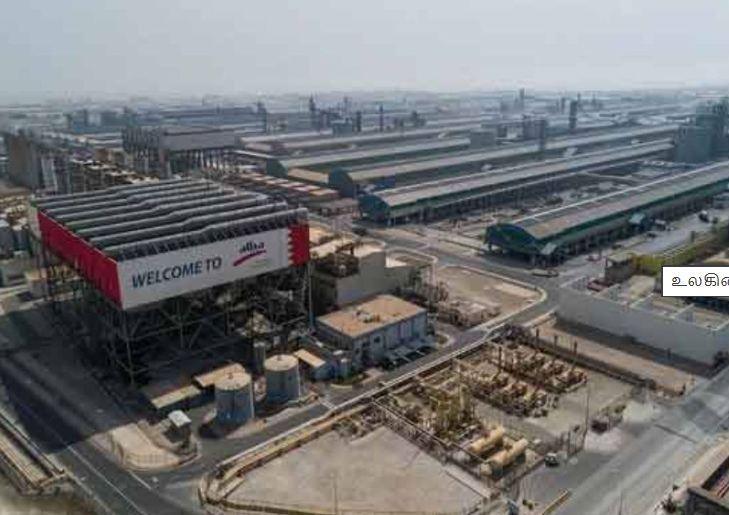
Iran Strikes Bahrain Aluminum Plant

An aluminum plant in Bahrain was targeted in a strike by Iranian forces yesterday (28). The attack has resulted in injuries to two workers, who were immediately provided with medical attention.

The company stated that damage assessments are being conducted, and worker safety remains the top priority. Production disruptions were caused due to the closure of the Hormuz Strait, which had previously led to a 19% reduction in operational capacity.

The strike on the Bahrain facility was reported as a response to attacks on two Iranian plants. The Revolutionary Guard of Iran has confirmed its involvement in targeting industrial sites in Bahrain and the United Arab Emirates.

Analysts have noted that these attacks have raised concerns about regional industrial security and the stability of key production hubs. International markets are monitoring the situation closely due to its potential impact on global aluminum supply.

The attack on the Bahrain plant is expected to temporarily reduce aluminum output, affecting supply chains worldwide. Authorities have emphasized that worker safety and industrial integrity are being prioritized during ongoing investigations.

Meanwhile, international observers have warned that continued escalation in the region could influence global commodity prices, particularly aluminum and other metals essential for industrial operations.