

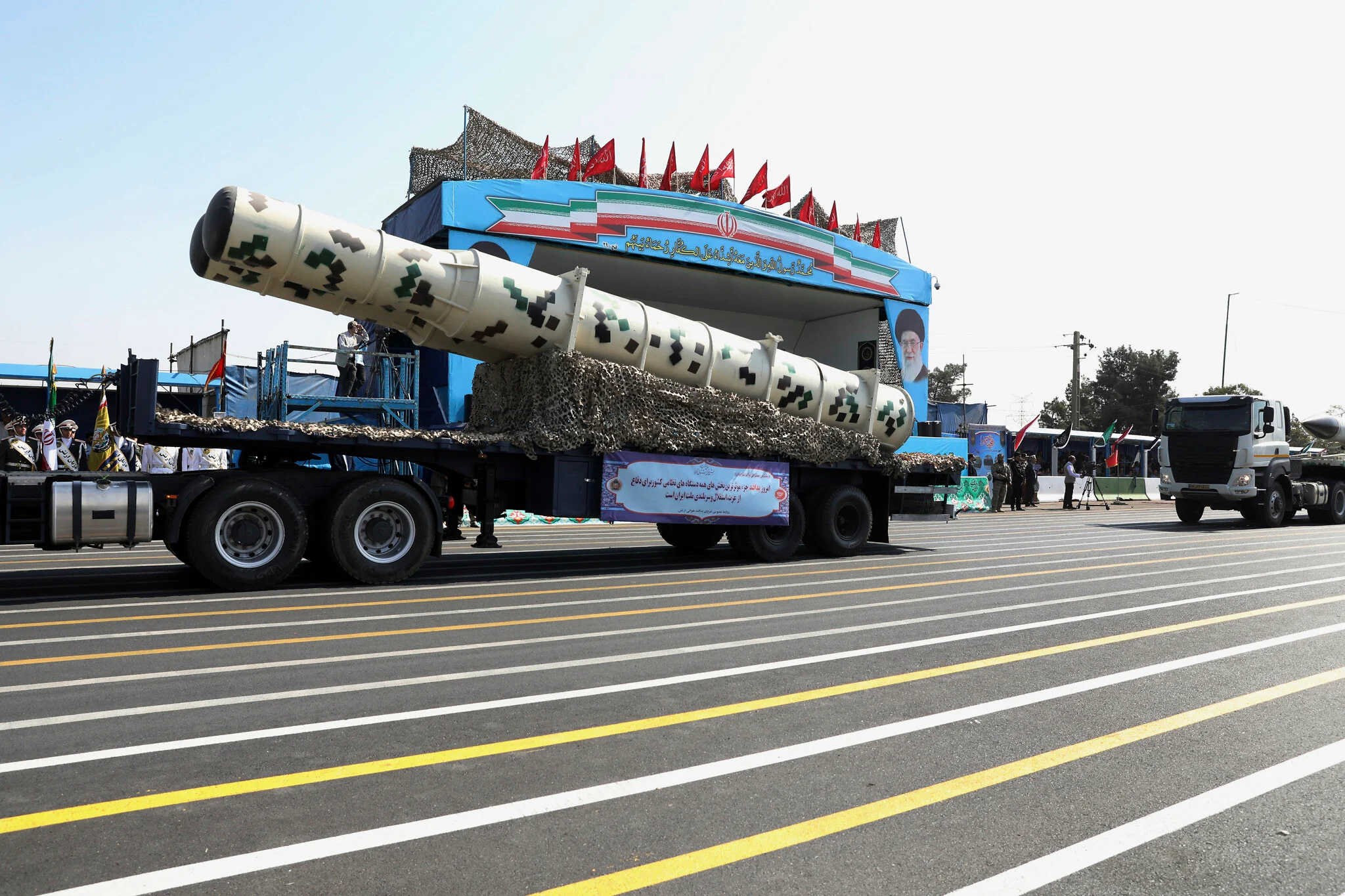
Iran Warns of “Fire Rain” as US Allegedly Plans Secret Ground Attack.

Iran Accuses US of Secret Military Plot

Iran’s Parliament Speaker, Mohammad Bagher Ghalibaf, has accused the United States of secretly preparing a ground attack while publicly signaling willingness for diplomatic talks. The statement has intensified already rising tensions between the two nations.

Contradictory Signals Raise Concerns

According to Iran’s official news agency, the United States has presented a 15-point proposal aimed at negotiations. However, Iranian officials believe this move is a strategic attempt to achieve through diplomacy what it failed to accomplish in conflict. As a result, trust between both sides continues to weaken.

Iran Signals Strong Military Readiness

Ghalibaf emphasized that Iranian forces remain fully prepared for any potential ground invasion. He warned that if US troops attempt to enter Iranian territory, they will face a severe and immediate military response. Iran has clearly stated that it will not tolerate any form of humiliation or aggression.

Rising Tensions in the Middle East

Meanwhile, geopolitical analysts warn that escalating rhetoric could further destabilize the Middle East. The situation reflects growing uncertainty in global security, especially as both nations maintain strong military capabilities and strategic influence in the region.

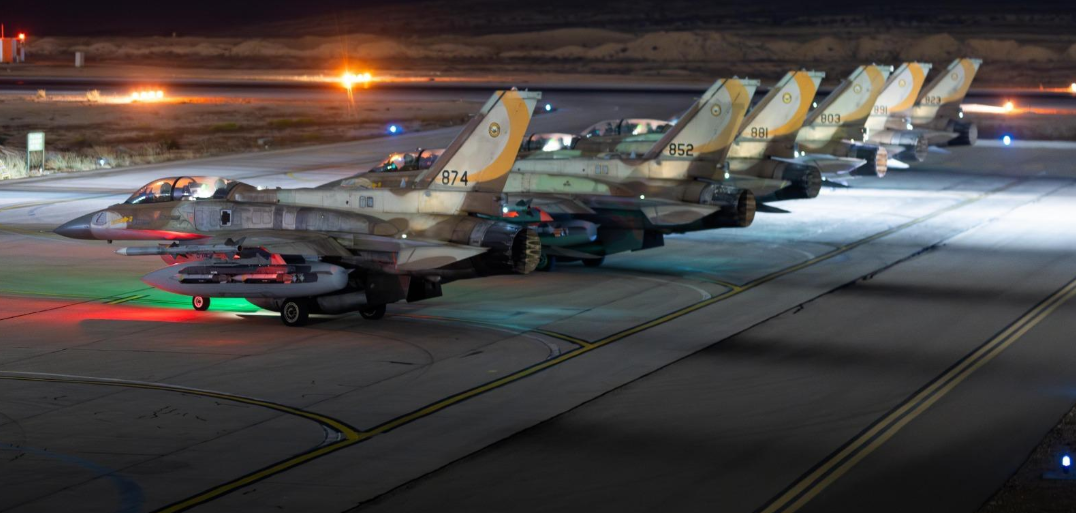
Iran Claims Dubai Strike, Ukraine Firmly Denies Attack.

Iranian media recently reported that a Ukrainian air defense warehouse in Dubai was destroyed in a targeted strike. The claim quickly gained attention as it suggested a direct escalation involving Ukraine in the Middle East.

However, Ukraine strongly rejected the allegation. Ukrainian Foreign Ministry spokesperson Heorhii Tykhyi dismissed the report and called it false information. He stated that Iran continues to spread misleading narratives and compared its actions to similar tactics used by Russia.

According to Tykhyi, Ukraine has no such military infrastructure in Dubai, and no attack of this nature has occurred. He emphasized that Ukraine officially denies the claim and warned against believing unverified reports circulating online.

IRGC Statement Raises Regional Concerns

The claim originated from Iran’s Islamic Revolutionary Guard Corps (IRGC), specifically the Khatam al-Anbiya headquarters. The group stated that it targeted locations allegedly linked to U.S. military personnel and accused Ukraine of supporting American operations in the region.

Iranian sources claimed that a drone defense storage facility operated by Ukraine in Dubai was destroyed during the operation. This statement raised serious concerns about potential regional escalation and geopolitical tensions.

Zelensky’s UAE Visit Adds Strategic Context

At the same time, Ukrainian President Volodymyr Zelenskyy was visiting the United Arab Emirates. During his visit, he focused on strengthening security cooperation and building stronger diplomatic ties with Gulf nations.

The timing of Iran’s claim has drawn attention, as analysts believe it could influence regional narratives and diplomatic engagements. Despite the controversy, Ukraine continues to prioritize international partnerships and stability.

Rising Tensions in Global Politics

This situation highlights growing tensions in the Middle East and the broader international arena. Conflicting claims, misinformation, and strategic messaging continue to shape global political discourse.

Experts warn that such narratives could increase uncertainty and escalate diplomatic tensions if not addressed with verified information and transparency.

Iran Warns Israel of Severe Conseqences After Strikes on Nuclear Infrastructure.

Tensions between Iran and Israel sharply escalated on the 28th day of the ongoing confrontation, after Israel launched coordinated strikes on several strategic Iranian infrastructure sites, including a uranium enrichment facility near Yazd. Following the attacks, Iran issued a strong warning, promising severe consequences in response to what it described as a serious violation of its sovereignty.

The Israeli military officially confirmed that its forces targeted a facility linked to Iran’s uranium enrichment operations. However, Iranian authorities quickly stated that the attack caused no casualties and did not trigger any radiation leakage. Officials emphasized that emergency safety systems functioned effectively and prevented further damage.

Reports also confirmed that a projectile landed near the Bushehr nuclear power plant. Iranian officials clarified that the missile caused no structural damage and did not affect plant operations. Despite the limited impact, the incident increased regional concerns about the safety of nuclear infrastructure during military escalation.

Israeli strikes reportedly formed part of a wider operation targeting several industrial and strategic sites across Iran. These included the Khondab heavy-water complex and major steel production facilities located in Khuzestan and Isfahan. Analysts believe these locations hold both economic and strategic importance for Iran’s industrial stability.

Iran’s Foreign Minister Abbas Araghchi strongly condemned the attacks and warned that Iran would respond decisively. He stressed that strikes on nuclear-related and industrial infrastructure represent a dangerous escalation that threatens regional security. Iran reiterated its commitment to defending national interests against further aggression.

Security observers note that the involvement of the United States in the broader regional tensions has further complicated the situation. Experts warn that continued escalation between Iran and Israel could significantly impact Middle East stability and global geopolitical dynamics.