

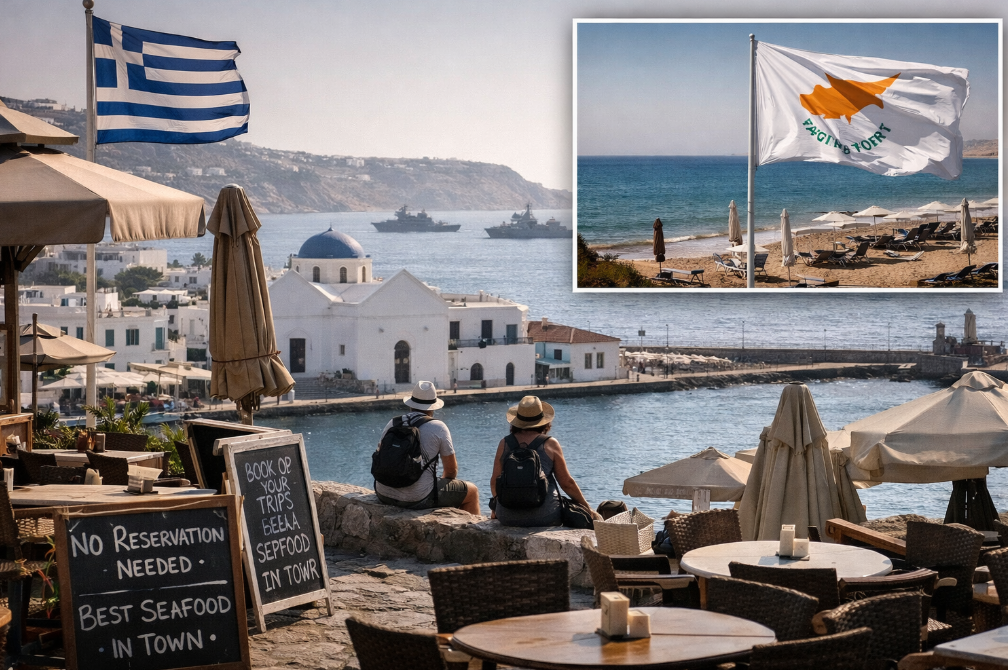

Tourism in Greece and Cyprus Affected by Middle East Conflict
Tourist bookings in Greece and Cyprus have declined ahead of the holiday season due to the ongoing Middle East conflict. While direct risks in Greece remain minimal, uncertainty about rising costs and economic developments has caused concern among hotel operators. In Cyprus, the proximity to the conflict region has intensified the effects, with the hospitality sector reporting stronger impacts. In Athens, industry representatives have observed a noticeable slowdown in reservations.
Many travelers are adopting a cautious approach, waiting to see how the economic situation evolves, according to travel agencies and hoteliers. Greece’s Tourism Minister, Olga Kefalogianni, highlighted the psychological impact of the conflict on tourists in a radio interview. She also emphasized the industry’s experience in managing crises and suggested that Greece could benefit as tourists seek destinations perceived as safe, given its distance from the conflict zone.
Cyprus has introduced a €200 million aid package to mitigate the economic effects of the Middle East crisis. Beginning in April, 30 percent of wages for employees in hotels and accommodations will be covered, supporting businesses preparing for the season amid declining bookings. Additional measures include assistance for airlines to ensure connectivity with key source markets, helping maintain the island’s tourism infrastructure.