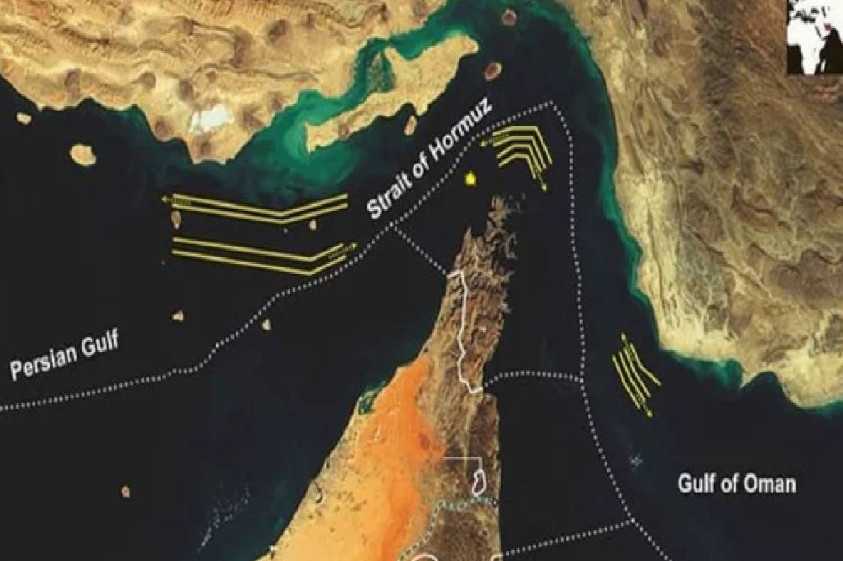
Middle East Tension Drives Fertilizer Prices.

Global fertilizer prices have surged to record levels amid ongoing tensions in the Middle East. The price of urea fertilizer has risen by 11% compared to last month, surpassing $677 per ton. In New Orleans, urea prices have reached a peak unseen in the past three years. Anhydrous fertilizer has also experienced a significant increase, rising by 8% month-on-month to an average of $931 per ton. These price spikes mark a notable return to historical highs that were last seen during the Ukraine-Russia conflict in 2022.

While fertilizer prices remained relatively stable throughout 2023 and 2024, the recent geopolitical instability in the Middle East has triggered this sudden upward trend. Analysts warn that these rising costs may increase agricultural production expenses worldwide, impacting crop prices and food supply chains.
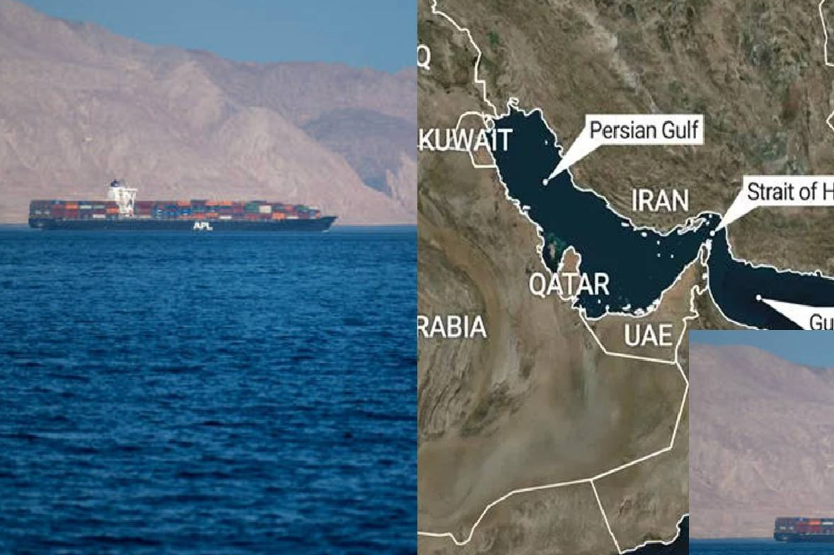
Middle East Tensions Affect Sri Lanka Ports

Sri Lanka has become a key hub for luxury car imports, as Middle East tensions continue to disrupt global shipping routes. Approximately 50 used luxury vehicles, including Lamborghini, Rolls-Royce, and Ferrari, have been offloaded at Sri Lankan and Chinese ports due to delays caused by ongoing conflicts in the region.

The closure of the Strait of Hormuz has significantly impacted shipping schedules, forcing shipments from Dubai and other Middle Eastern ports to reroute. This diversion has caused congestion at Sri Lankan ports, particularly at Hambantota, where a vessel carrying more than 500 used luxury cars has been delayed for over ten days.

Exporters from Japan and South Korea report that the rerouting of cargo to South Asia has increased storage and logistical costs. The persistent instability in the Middle East has also affected neighboring shipping lanes, slowing deliveries to Sri Lanka and other parts of South Asia.

Sri Lanka’s position as an emerging hub for luxury car imports highlights the country’s strategic role in regional logistics, but ongoing geopolitical tensions continue to challenge timely shipments and port efficiency.

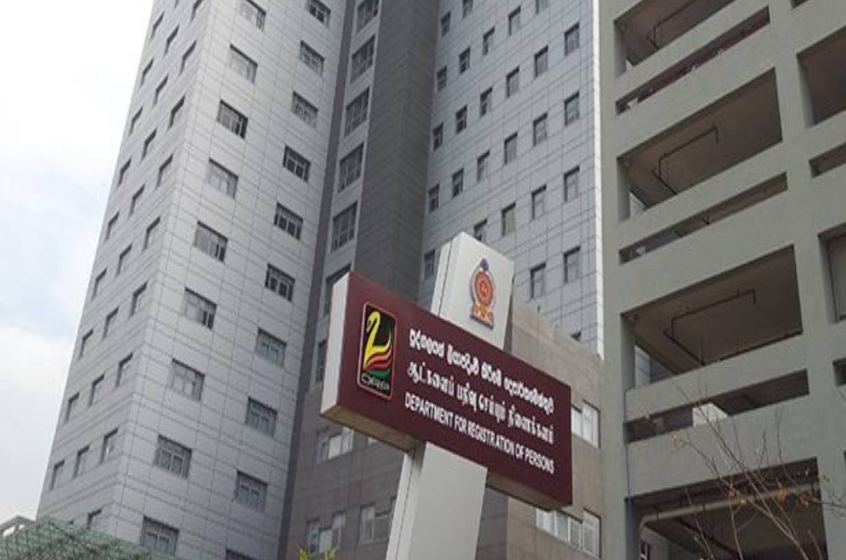
Sri Lanka ID Services Halted Due to IT Glitch.

The Department of Registration in Sri Lanka has announced the suspension of all public services, including the one-day national ID card issuance, effective tomorrow (27 March) until further notice. This decision follows a sudden technical failure in the department’s computer system, which occurred today (26 March) at 1:30 PM.

The department stated that services will remain unavailable until the IT system is fully restored. Earlier, the department’s data infrastructure had experienced a similar failure on 23 March, which temporarily halted all services. Services were briefly resumed on 24 March after repairs, but the system malfunctioned again today, prompting the current suspension.

Department Director Nayagam confirmed that efforts to restore the system are ongoing. He emphasized that the technical issues affect all operations, including issuing national ID cards and other public services managed by the department. Citizens are advised to postpone visits until the system is operational and further announcements are made.

Sri Lanka Fuel Crisis: Doctors Demand Holiday

The Doctors Union (AMS) has formally requested the Sri Lankan government to declare Saturdays as holidays due to the ongoing fuel shortage and rising fuel prices. The union highlighted that doctors working in remote areas face long commutes multiple times a day, leading to significantly higher transportation costs.

While other government employees have received increased fuel allowances, doctors reportedly lack adequate transport compensation, causing growing dissatisfaction among medical professionals. This situation poses a risk to essential healthcare services, particularly in rural and underserved regions.

To address the crisis, the union proposed immediate measures: declaring Saturdays as official holidays, revising the working week, adjusting transport allowances to reflect current fuel prices, and providing stable compensation for extra duties performed by specialized medical personnel. The union emphasized the need for urgent negotiations with authorities to ensure uninterrupted healthcare services and protect patient care during this fuel crisis.

Sri Lanka Issues Fuel QR Code Warning.

The Sri Lankan Petroleum Authority warned citizens about fuel QR code fraud and urged them to consume fuel responsibly under the national QR distribution system. Professor Vasantha Athukorale of Peradeniya University told the public to avoid unnecessary fuel usage during this critical period.

Over 6 million citizens registered for the QR code system, so authorities emphasized that everyone must follow the regulations strictly. Officials also instructed politicians and citizens to stop spreading false reports that could worsen the fuel crisis.

The Criminal Investigation Department (CID) actively investigates individuals who create fraudulent fuel QR codes. Investigators aim to stop misuse and ensure equitable fuel allocation across the country.

Officials stressed that the public must cooperate to maintain fair fuel access and prevent shortages. Citizens should follow all QR code rules, use fuel efficiently, and report suspicious QR code activity immediately.

Ampara Council Urges Efficient Energy Use.

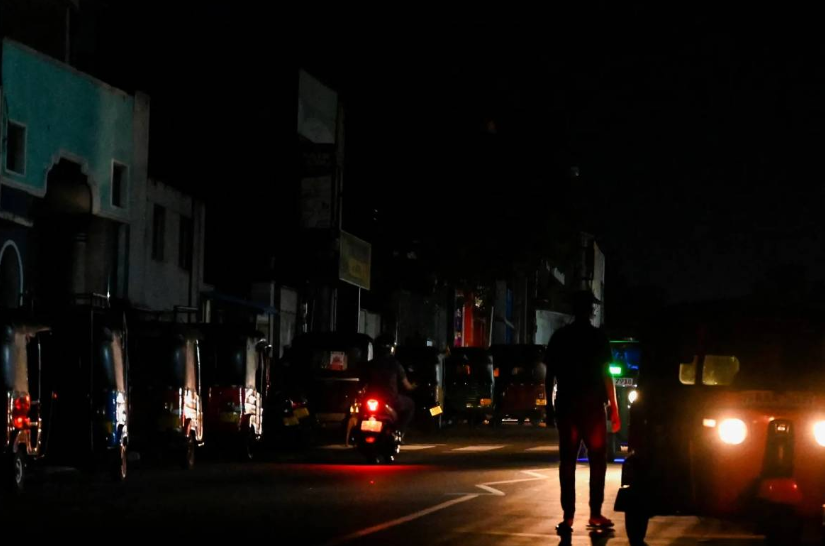
The Ampara Attalaischenai Council has issued strict guidelines urging the efficient use of electricity and fuel across its offices, libraries, and public sports grounds. Council Commissioner A.S.M. Uvais emphasized that these measures aim to reduce resource wastage and lower the council’s financial burden during current challenging conditions.

Officials and staff have been instructed to switch off unnecessary lights and fans in offices and libraries when not in use. Additionally, natural daylight should be maximized to minimize electrical consumption. At public sports grounds, floodlights should only be used for essential activities and switched off immediately after events conclude.

For fuel consumption, the council advised minimizing unnecessary travel and careful use of council-owned vehicles and machinery. Commissioner Uvais further requested that both departmental staff and the public actively cooperate with these energy and fuel efficiency measures to support sustainable operations. These steps reinforce the council’s commitment to responsible resource management and financial prudence while promoting community participation in energy conservation initiatives.

Ampara District Coordination Committee Decisions.

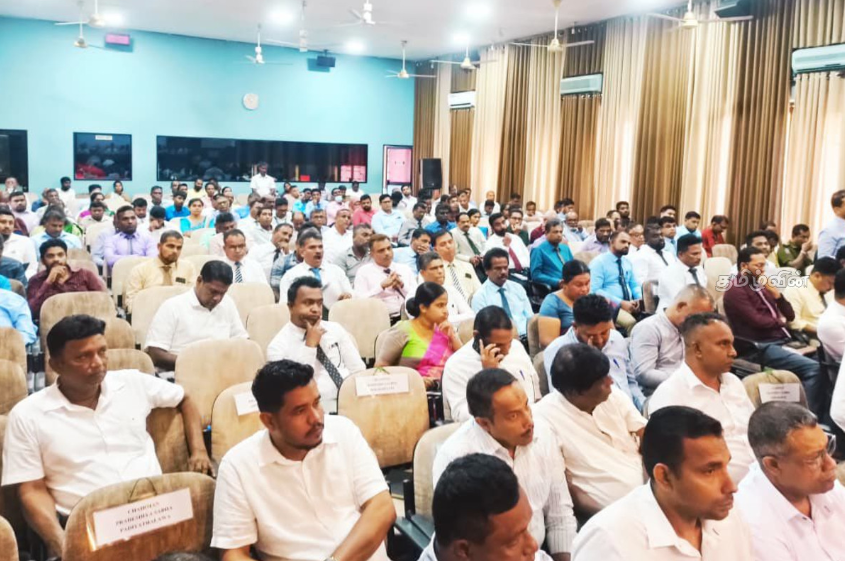
The Ampara District Coordination Committee meeting took place today, March 26, 2026, under the coordination of District Secretary Anupama Mangala Wickramarachchi. The meeting was chaired by Deputy Ministers of Rural Development, Social Protection, and Social Empowerment Vasantha Piyathissa, along with Eastern Province Governor Professor Jayantha Lal Ratnasiri. During the session, officials discussed ongoing district development projects and addressed public concerns. Parliamentarian Ashraf Tahir proposed several initiatives for local infrastructure improvement.

The committee approved key decisions, including the removal of soil deposits above the Kaliyodai Bridge, reconstruction of the damaged left bank (north side) of the Kaliyodai River, and construction of permanent protective structures. Additionally, LKR 300 million had been allocated in the 2026 Budget for the restoration of Nindavur Cultural Hall under the guidance of the President.

Further discussions addressed prior projects, such as the construction of a worship hall and a three-storey classroom block at Al-Madina Maha Vidyalaya, Nindavur, with the committee approving the continuation and completion of these initiatives.

The meeting included representatives from Ampara District, including MPs M.S. Udumalappai, M.S. Abdul Wasith, Ashraf Tahir, K. Kodiswaran, Abubakkar Athampawa, Manjul Sukath Ratnayake, A.M.M.M. Rathwatte, Attorney Priyant Wijerathna, along with local government leaders, divisional secretaries, and heads of government departments. The participation of these officials ensured comprehensive discussion and approval of development priorities for the district.

Advanced Level Exam Results and Next Application Dates

The Sri Lanka Department of Examinations has announced the results of the 2025 Advanced Level (A/L) examinations. The exams originally began on November 10, 2025, but some subjects were postponed due to the Thidwa Cyclone. These postponed exams were conducted from January 12 to January 20, 2026, and all examinations concluded on January 16, 2026. Approximately 300,000 candidates participated in the 2025 A/L examinations, highlighting the significant scale of this national academic assessment. Students and parents are advised to check official portals for detailed results and subject-wise performance.

Meanwhile, applications for the next session of Advanced Level exams have opened from July 1, 2026, and the closing date is July 24, 2026. Candidates are encouraged to submit their applications on time to avoid delays in processing. The Department of Examinations continues to emphasize the importance of timely application submissions and advises students to follow official notifications for updates on exam schedules and results.

Iran Shoots Down US F-18 Jet Amid Middle East Tensions

Iran has claimed responsibility for shooting down a US-owned F-18 fighter jet. The announcement comes amid escalating tensions between United States and Iran in the Middle East.

Iran released a video on its official platform showing the jet being shot down. However, authorities have not provided details on the exact location, extent of damage, or the status of the aircraft and crew.

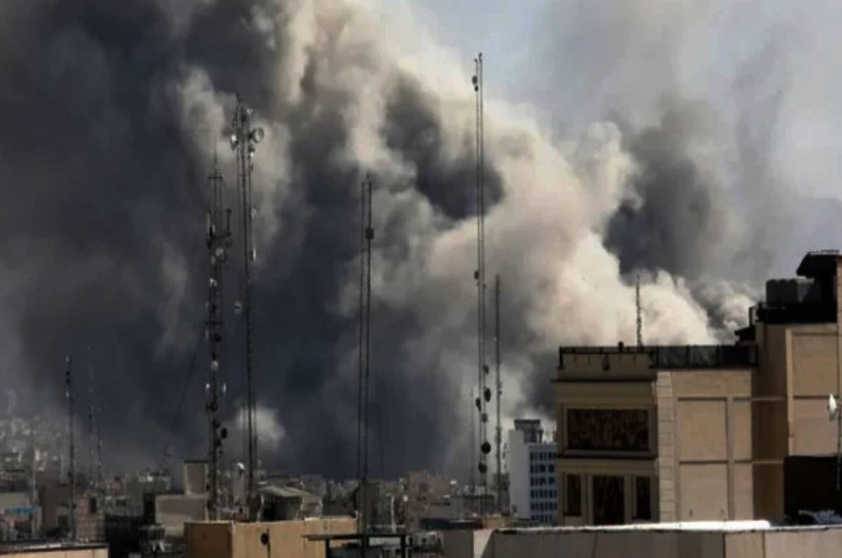
The incident follows a series of military exchanges between Iran, the US, and Israel, which has intensified conflict in the region. Both sides have launched retaliatory actions over the past 25 days.

Earlier, Donald Trump announced a temporary halt of attacks on Iran for five days, citing ongoing constructive negotiations. Despite this, Iran has systematically denied engaging in any negotiations with the US, asserting its stance firmly.

Analysts warn that the Middle East remains highly volatile, and any further escalation could significantly impact regional security and global energy markets.

Japan Releases Oil Reserves to Ease Energy Supply Crisis.

Japan has begun releasing crude oil from its national strategic reserves to stabilize fuel supply disruptions caused by rising tensions linked to the conflict involving Iran, the United States, and Israel. Government officials confirmed that approximately 8.5 million kilolitres of crude oil will be released to support domestic demand for about 30 days.Japan depends on the Middle East for more than 90% of its crude oil imports. However, disruptions affecting shipments through the Strait of Hormuz have created serious supply risks. As a result, authorities moved quickly to protect energy stability and prevent further price increases.

Oil distribution started from the Kikuma storage terminal located in Ehime Prefecture. Officials also confirmed that additional releases will continue from eight more storage sites before the end of March. Furthermore, authorities plan to release additional supplies from storage facilities in Nagasaki Prefecture and Kagoshima Prefecture in early April.

The government will supply crude oil worth approximately 540 billion yen (about $3.4 billion) to four major wholesale distributors, including ENEOS. Meanwhile, petrol prices in Japan recently reached a record level of 190.80 yen per litre. Therefore, the government continues to provide subsidies to reduce pressure on consumers.

By the end of 2025, Japan maintained strategic reserves equal to about 254 days of domestic consumption, totaling nearly 470 million barrels of oil. However, officials warned that supply shortages are also affecting naphtha, a key material used in producing plastics and synthetic fibers. Authorities continue monitoring the situation closely to maintain industrial stability.