Sri Lanka Faces Water Supply Risk

Sri Lanka may face water supply restrictions in the coming days as reservoir water levels continue to fall due to ongoing severe drought conditions. Authorities issued this warning as dry weather continues to affect several parts of the country. Importantly, officials stressed the need for immediate public cooperation.

Chairman of the National Water Supply and Drainage Board, Shandana Bandara, confirmed that reservoir levels are decreasing rapidly because of the prolonged dry weather. As a result, authorities are closely monitoring the national water supply situation. Therefore, officials urge the public to avoid unnecessary water usage.

Authorities requested residents to limit water use to essential daily activities. In addition, they warned that excessive water consumption could reduce water pressure in higher elevation areas and locations at the end of pipeline networks. Consequently, careful water management remains critical at this stage.

Officials further explained that water supply restrictions may become necessary if drought conditions continue to intensify in the coming days. Meanwhile, the National Water Supply and Drainage Board continues to monitor rainfall patterns and reservoir levels nationwide. Therefore, public cooperation plays a vital role in maintaining uninterrupted supply.

The Chairman strongly emphasized that responsible water use can help prevent supply interruptions across the country. Furthermore, cooperation from households and businesses will support efforts to manage limited water resources efficiently. As a result, authorities encourage everyone to conserve water whenever possible.

Doctor Absent at Jaffna Hospital.

A school student who fainted in the Ilavalai area of Jaffna had to wait at the entrance of a regional hospital because no doctor was available at the time of admission. The incident has raised serious concerns about emergency medical access in the area. Importantly, the situation delayed immediate treatment for the student.

According to reports, the student suddenly fainted while attending classes at a school in the Ilavalai area on March 26, 2026. Teachers quickly transported the student to the nearby regional hospital for urgent treatment. However, hospital staff informed them that a doctor was not present and would arrive only after 2:00 PM.

Due to the student’s condition, a teacher requested a nurse to provide first aid support immediately. However, staff reportedly declined the request, stating they could not take responsibility if complications occurred. As a result, the student remained without treatment during a critical moment.

Teachers then requested an ambulance to transfer the student to another hospital. Unfortunately, hospital staff informed them that no ambulance was available at the facility. Moreover, they stated that outside ambulances were not expected to arrive at the location.

Since no immediate assistance was available, teachers arranged alternative transport and transferred the student to Tellippalai Base Hospital. Doctors there admitted the student for further treatment. Meanwhile, the incident has sparked public concern about the availability of emergency healthcare services in regional hospitals.

Trump Signature on US Dollar

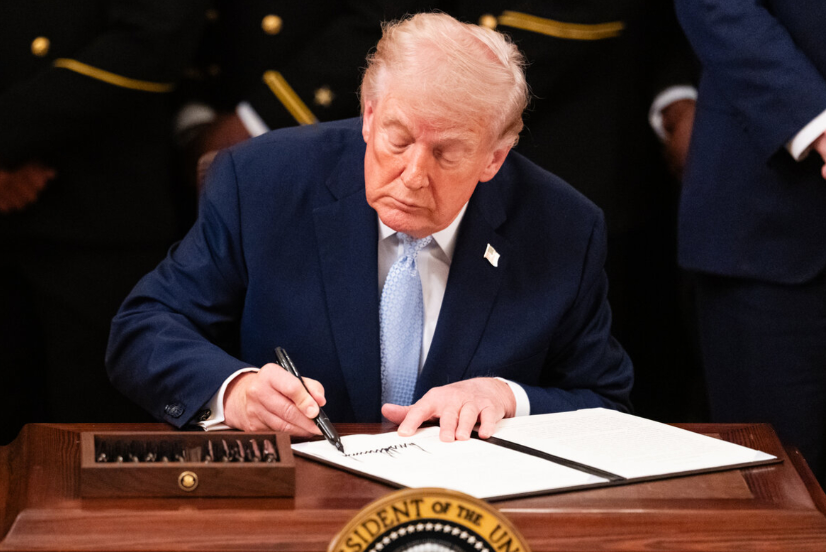
Traditionally, US dollar banknotes carried only the signatures of the Treasury Secretary and the Treasurer of the United States. However, the new policy allows a president’s signature to appear on national currency for the first time. As a result, the announcement represents a historic shift in the presentation of American currency. Political observers believe the administration introduced this change to highlight confidence in the strength of the US economy. In addition, the decision comes during a period of global economic pressure and geopolitical tension. Therefore, officials see the move as a strong symbolic statement.

According to Treasury officials, the new design will first appear on $20 and $100 dollar notes. Later, authorities plan to expand the update to other denominations step by step. Meanwhile, existing currency notes will remain valid across the United States. The announcement has already created strong reactions nationwide. Some citizens support the decision as a bold leadership signal. However, others criticize the move as a break from long-standing institutional tradition. Consequently, economists and political analysts continue to debate the long-term impact of the decision.

Israeli Security Worsens Amid Attacks

Israel’s security has sharply deteriorated over the past 24 hours following a series of missile attacks orchestrated by Hezbollah, operating from southern Lebanon and with alleged Iranian support. The escalating attacks represent the most severe threat Israel has faced in recent weeks, according to Sri Lanka’s Ambassador to Israel, Nimal Bandara. In Dimona, Israel, several homes belonging to Sri Lankans were damaged by missile strikes. The Israeli security forces have arranged temporary hotel accommodations for 12 affected Sri Lankan residents to ensure their safety during the ongoing conflict. Authorities are closely monitoring the situation to provide immediate support for foreign nationals caught in the attacks.

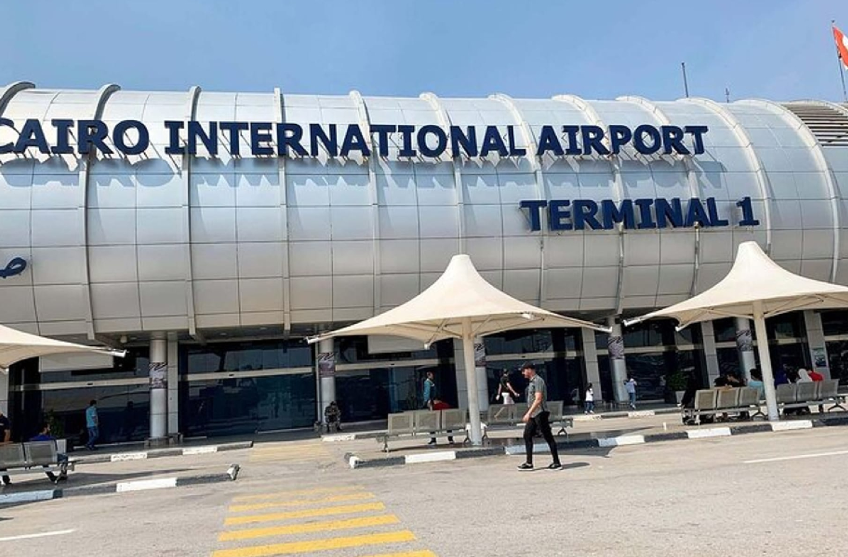
The Sri Lankan Embassy has announced that travelers can safely exit Israel via the Taba border crossing to reach Cairo International Airport in Egypt. So far, 21 Sri Lankans have successfully used this route to return home. Additionally, another group of 14 Sri Lankans is scheduled to travel via Taba to Sri Lanka on March 31.

The embassy urges all Sri Lankans in Israel to stay vigilant, follow instructions from local authorities, and use the designated evacuation routes if necessary. Travelers are advised to coordinate with the Sri Lankan Embassy for updated information on safe passages.

USS Gettysburg Returns After SOUTHCOM Deployment

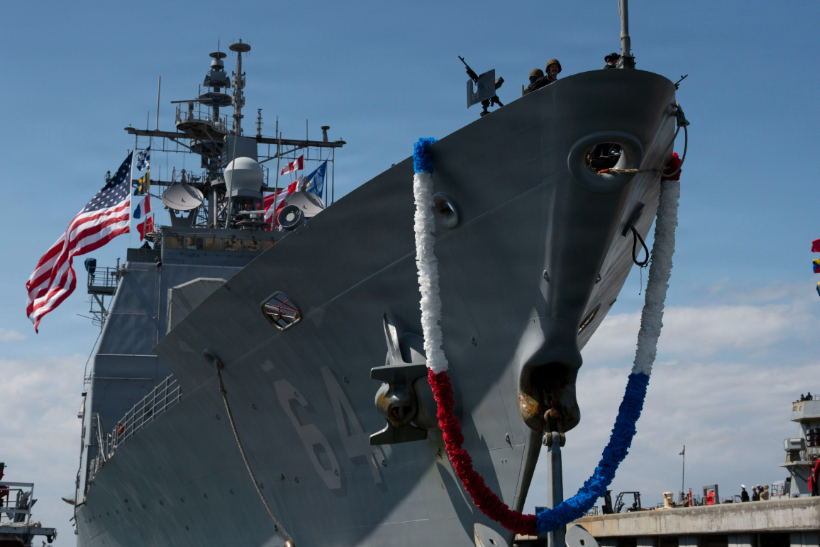
The guided‑missile cruiser USS Gettysburg (CG‑64) returned to Naval Station Norfolk in Virginia on March 23, 2026, after completing a five‑month deployment in support of U.S. Southern Command missions.

Moreover, the ship’s return marked the end of its extended operations in the Caribbean Sea and surrounding waters, where it supported regional security and counter‑narcotics efforts.

Notably, the Ticonderoga‑class cruiser left Norfolk in late October 2025 as part of a broader initiative known as Operation Southern Spear, a U.S. Southern Command mission focused on combating illicit trafficking and enhancing maritime security across the Western Hemisphere.

While deployed, USS Gettysburg and its crew worked alongside other U.S. naval forces to maintain stability in key sea lanes, deter transnational criminal activity, and support Joint Task Force operations in the region.

Families and friends gathered at the pier to welcome the sailors home, celebrating the ship’s safe return after months at sea.

In addition, the cruiser’s operations contributed to broader Southern Command objectives, which included disrupting narcotics trafficking and enhancing regional cooperation with partner nations.

Trump Extends Halt on Iran Energy Attacks.

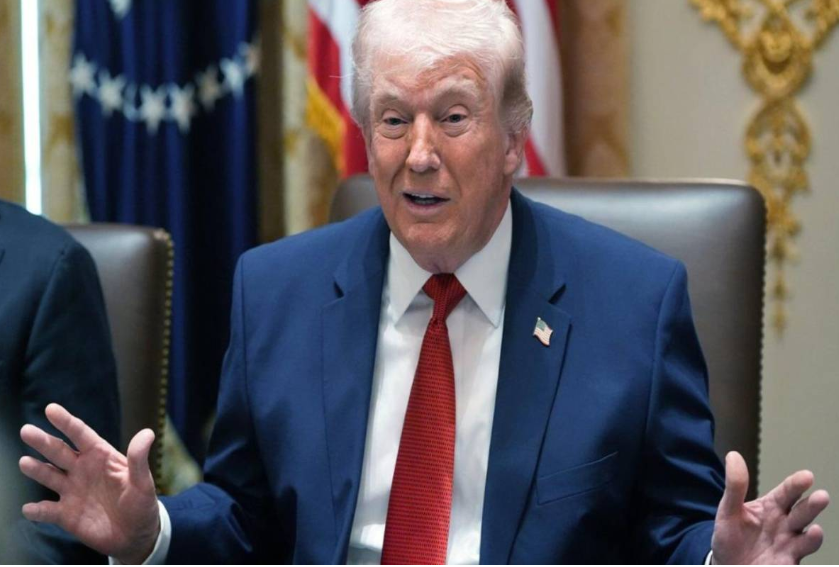
U.S. President Donald Trump has announced a 10-day halt on attacks targeting Iran’s power and energy facilities. This move provides Iran with a final opportunity to engage in talks and avoid further escalation.

Previously, on February 28, the United States and Israel conducted joint strikes on Iran after Tehran refused to sign a nuclear agreement. In response, Iran launched retaliatory attacks against U.S. and allied interests.

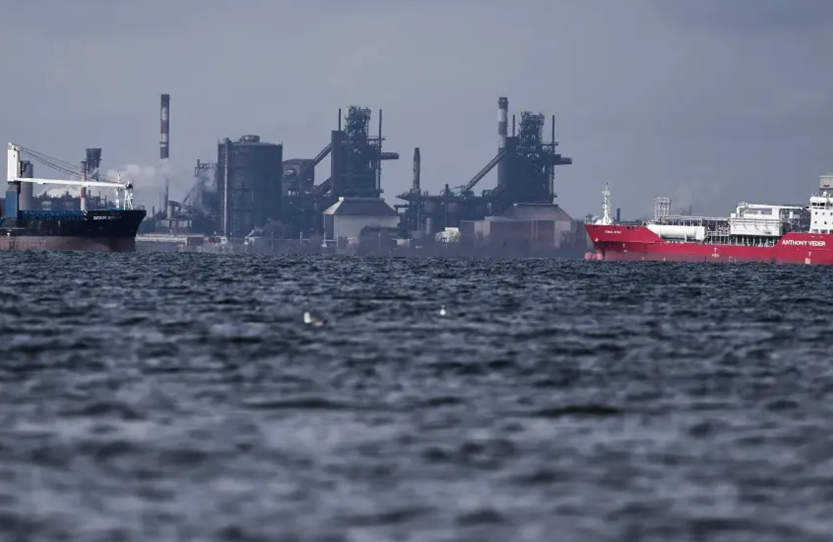
Additionally, Iran blocked the strategic Hormuz Strait, a key route for global crude oil shipments. Several cargo ships attempting to pass through the Strait faced missile and drone attacks. Iran also declared that American, Israeli, and allied vessels would not be allowed passage.

Earlier, Trump had warned that if Iran did not reopen the Hormuz Strait within 48 hours, U.S. forces would target Iran’s energy infrastructure. In retaliation, Iran threatened to strike power facilities in Gulf countries.

Meanwhile, the original U.S. deadline, set for March 24, was extended by five days due to ongoing negotiations. However, Iran has denied holding any direct talks with the United States.

Trump also continues to reference a 15-point U.S. proposal, which Iran has rejected, while maintaining that discussions are underway. As a result, attacks on Iran’s power and energy facilities are temporarily suspended for an additional 10 days. This extension underscores the high stakes in the U.S.–Iran standoff and the potential impact on Gulf energy security and global oil markets.

Iran Maritime Attacks Hit South Asian Workers

Iran’s Maritime Attacks Claim Hundreds of South Asian Lives

Iran carried out missile and drone attacks on cargo ships traveling through Gulf waters, killing hundreds of South Asian seafarers, including nationals from India, Pakistan, Sri Lanka, and Bangladesh, according to BBC reports.

In recent weeks, these attacks targeted ships bound for ports in Gulf Cooperation Council (GCC) countries. As a result, many international shipping companies have temporarily halted operations along these routes.

Furthermore, the loss of lives has caused severe economic repercussions for South Asian countries. Notably, families who depended on remittances sent by overseas seafarers now face extreme financial hardship.

Consequently, thousands of South Asian workers have started leaving the Gulf region, seeking safer employment elsewhere. Additionally, this crisis is putting significant pressure on domestic economies in the affected countries.

This ongoing conflict highlights the vulnerabilities of maritime trade in volatile regions and underscores the urgent need for international security measures to protect civilian seafarers and maintain economic stability.

Oil Prices Drop After Trump-Iran Talks

Oil prices dropped today (March 27) following US-Iran negotiations aimed at ending regional conflicts. President Donald Trump announced that Iran would pause attacks on energy facilities for 10 days, easing market fears.

Foreign media report that the weekly decline is the steepest in six months.

  • Brent crude futures fell by $0.84 per barrel (0.8%), closing at $107.17.
  • West Texas Intermediate (WTI) futures dropped $1.02 per barrel (1.1%), closing at $93.46.

Analyst Priyanka Sasthreva from Philip Nova warned that any direct damage or prolonged conflict in energy infrastructure could quickly push prices higher.

While Iran halts energy facility attacks, the US has deployed thousands of troops to the Middle East. Additionally, Trump is reportedly considering whether to use naval forces to secure Iran’s strategic oil hub, Kharg Island.

An Iranian official described the US 15-point proposal sent via Pakistan to Tehran as “one-sided and unjust,” according to Reuters.

Sri Lanka Energy Conservation: Leadership by Example

Energy Conservation Calls Must Include Personal Examples, Emphasizes MP Samith Vijeesundara

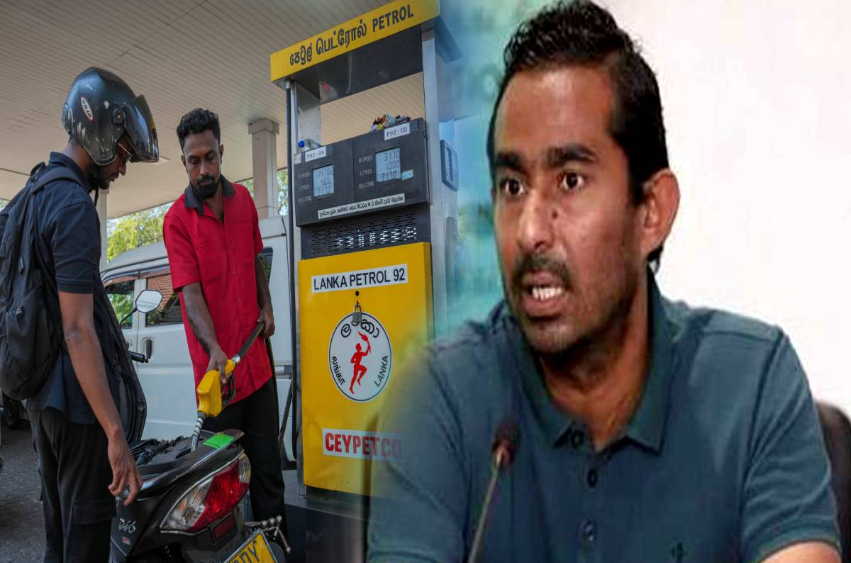
Following recent calls by Minister Sunil Handunnetti urging citizens to conserve energy, Colombo Municipal Council member Samith Vijeesundara stressed that these appeals only succeed when leaders demonstrate responsible behavior personally.

He explained that, amid rising fuel prices and ongoing financial challenges, such requests remain timely and necessary. However, citizens must also practice sustainability in daily life. Vijeesundara pointed out that high fuel-consuming vehicles, like the Toyota Land Cruiser V8 Sahara, raise questions about whether leaders reinforce energy-saving messages through their own actions.

He added that during national energy crises, leaders must guide policies and act as examples. Officials in high positions build public trust when they show the same discipline and responsibility they expect from citizens. Aligning words with actions strengthens confidence and enhances the credibility of national messages.

As Sri Lanka continues to promote energy efficiency and sustainability, Vijeesundara urged all sectors, particularly public leaders, to reflect these values in their statements and daily practices.

Mullaitivu Theft: Five Arrested

Mullaitivu police arrested five suspects, including a woman, for a high-value theft in Mandhuvil last October. Notably, the suspects broke into a private residence and stole jewelry and cash worth approximately LKR 5.6 million.

Meanwhile, the investigation began after authorities traced a stolen mobile phone linked to the crime. Subsequently, with approval from the Mullaitivu magistrate, police first arrested a female suspect. During questioning, she provided crucial information, which led officers to arrest four more individuals.

Additionally, police recovered several stolen items, including a vehicle purchased with the stolen money, two engines, and other high-value possessions. Furthermore, authorities confirmed that all recovered items matched the inventory of goods reported stolen from the Mandhuvil residence.

This operation demonstrates Mullaitivu police’s dedication to combating organized theft. Therefore, officers urged citizens to remain vigilant, report suspicious activity, and secure high-value items in their homes.

Moreover, the case highlights the effectiveness of modern investigative techniques, such as mobile tracking and community cooperation, in solving serious crimes in Sri Lanka. As a result, the community can trust that police are actively protecting residents and their property.