Mandatory Display of Revised Bus Fares in Western Province

The Western Province Road Passenger Transport Authority (RPTA) has announced that all buses must display revised fare tables for the public.

According to RPTA Chairman Gamini Jayasinghe, inspections will be conducted starting Monday to identify operators who fail to comply.

Buses found in violation of this requirement will have their service licenses canceled, and heavy fines will be imposed.

The directive aims to ensure transparency in fare collection and protect passenger rights. Authorities emphasized that public awareness and compliance are crucial for smooth transport operations.

Passengers are encouraged to check the fare tables displayed inside buses. Complaints can be reported to RPTA officials for immediate action.
India’s Luxury Market Faces Mall Shortage

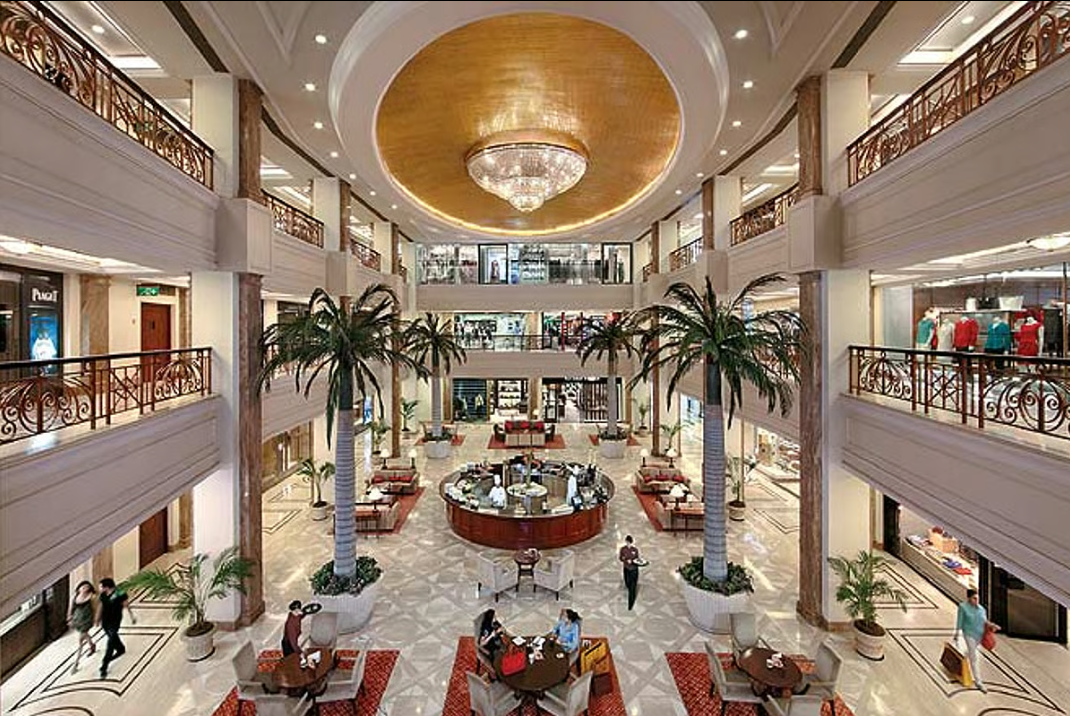
India’s luxury market is expanding rapidly, driven by rising disposable income and growing demand for premium products. However, the country faces a major challenge — a shortage of world-class luxury shopping malls. This infrastructure gap is slowing down the growth of the high-end retail sector.

Global brands such as Louis Vuitton, Gucci, and Dior are ready to expand their presence in India. They see strong potential in cities like Delhi, Mumbai, and Bengaluru. Yet, these brands struggle to find suitable retail spaces that meet international luxury standards.

Currently, most premium shopping malls in major Indian cities operate at full capacity. Retail spaces designed specifically for luxury brands remain limited. As a result, many international brands delay their entry or expansion plans in the Indian market.

The construction of new luxury malls has not kept pace with demand. High land costs and rising construction expenses have slowed down development projects. Developers also face regulatory challenges, which further delay new investments in premium retail infrastructure.

This shortage has created a clear infrastructure gap in India’s luxury ecosystem. Without sufficient high-end retail spaces, the country cannot fully benefit from its growing luxury market. Experts believe that improving infrastructure will unlock significant economic opportunities.

If India addresses this issue, it can attract more global brands, increase foreign investment, and strengthen its position in the global luxury market. The future of India’s luxury sector depends heavily on how quickly it can build world-class retail environments.

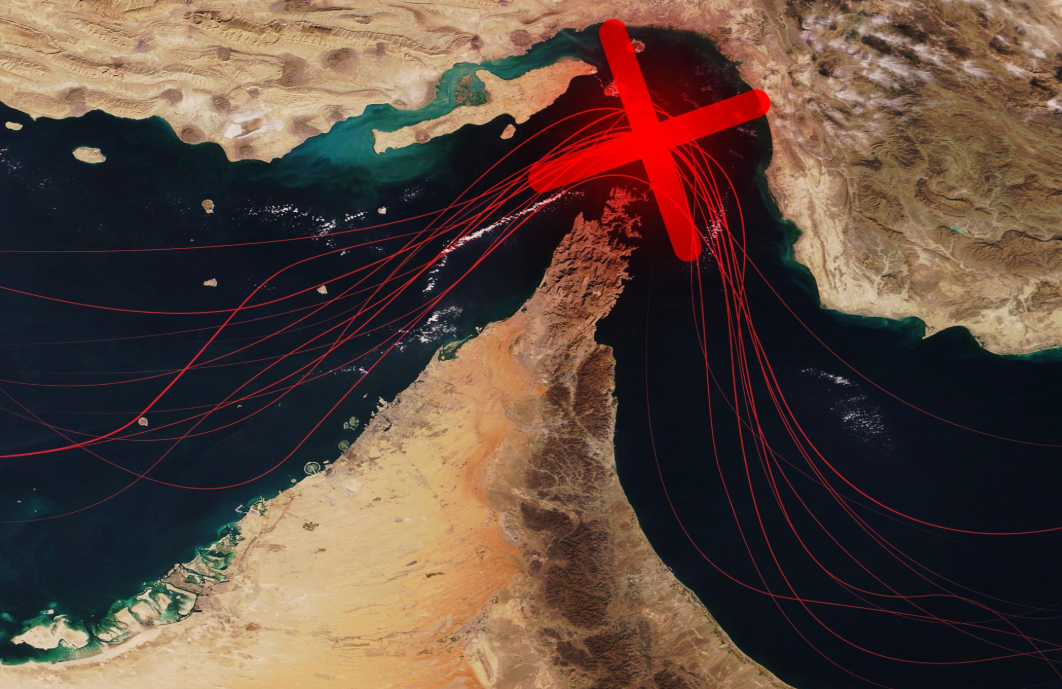
Strait of Hormuz Closure Threatens Global Oil Supply Routes.

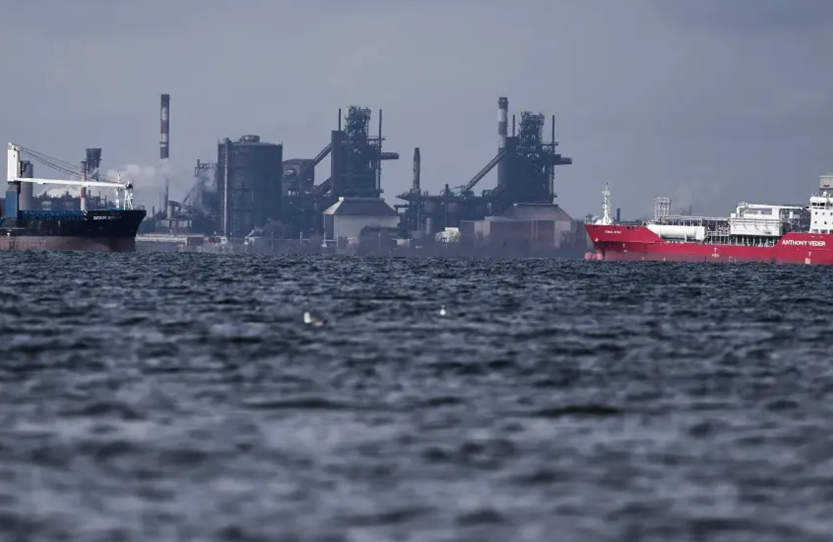
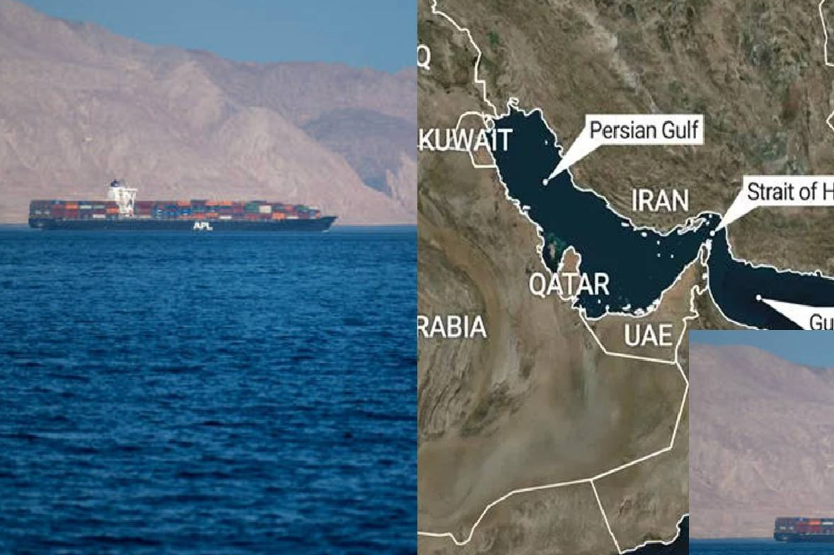
The closure of the Strait of Hormuz has raised serious concerns about global energy security as tensions continue to escalate across the Middle East. The narrow waterway plays a critical role in transporting oil supplies to international markets.

Recent attacks on commercial vessels in the region forced shipping companies to avoid key routes. As a result, Iran’s move to close the Strait of Hormuz has disrupted one of the world’s most important oil transit corridors.

Energy producers have already started searching for alternative export routes. Saudi Aramco confirmed plans to redirect millions of barrels of crude oil through pipelines leading to the western Saudi port of Yanbu on the Red Sea coast.

Data released by Kpler showed that daily oil exports from Yanbu have more than doubled this month compared with last year’s average levels. Analysts say this increase reflects urgent efforts to stabilize supply chains.

However, the Red Sea route now faces growing security risks. Since late 2023, Iran-aligned Houthis have carried out repeated attacks on commercial vessels in the Red Sea following regional military tensions involving Hamas and Israel. Shipping companies have responded by rerouting vessels around the southern tip of Africa. This longer route increases travel time by several weeks and significantly raises fuel, insurance, and crew costs.

Earlier this month, the United Kingdom Maritime Trade Operations warned that threats to commercial shipping in the Red Sea remain serious. Officials described the situation as a major risk to global trade stability. Experts now caution that continued disruptions in both the Strait of Hormuz and Red Sea shipping lanes could reshape global oil supply networks and increase pressure on international energy markets.

SLTDA Supplies 400,000L Fuel to Tour Operators.

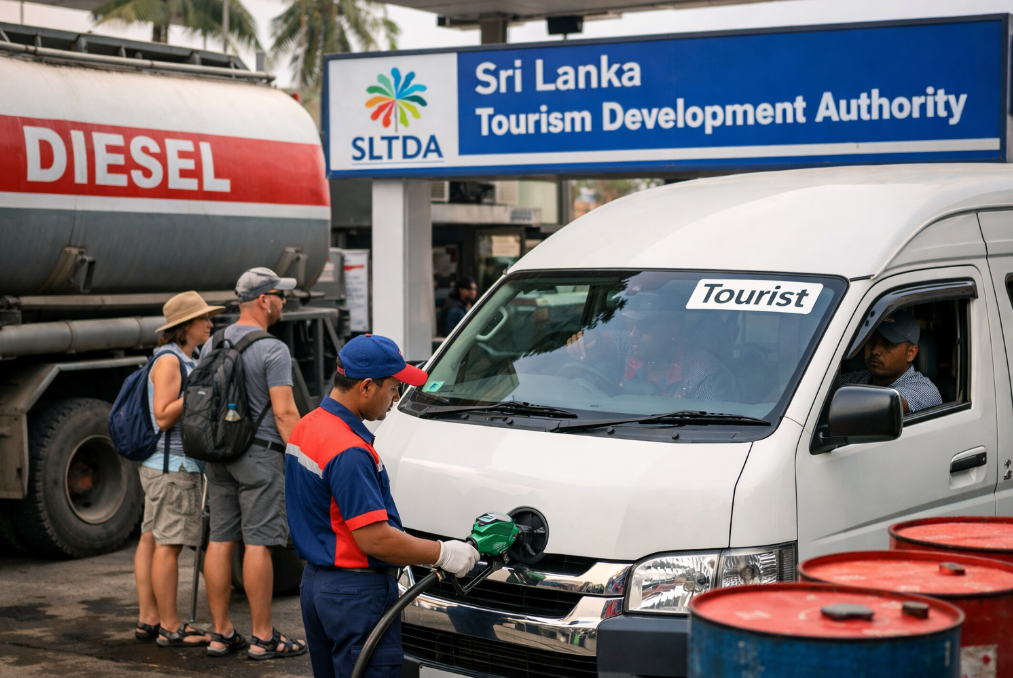
COLOMBO – The Sri Lanka Tourism Development Authority (SLTDA) has supplied a total of 400,000 liters of fuel to registered tour operators under a special QR-based allocation system, aiming to support the tourism sector during challenging times.

SLTDA Chairman, Buddhika Hewawasam, confirmed that the fuel allocation includes 200,000 liters of diesel and 200,000 liters of petrol. Additionally, the authority has provided 120,000 liters of fuel for hotels to ensure uninterrupted services for tourists.

Chairman Hewawasam also noted a decrease in daily tourist arrivals. Previously averaging 8,000–8,500 per day, the numbers have recently dropped to between 6,000 and 6,500. Despite the increase in fuel prices, tour operators have maintained current tourist package rates, planning adjustments only for the next season with revised packages.

This initiative by the SLTDA demonstrates a commitment to sustaining Sri Lanka’s tourism industry and supporting businesses affected by rising operational costs. By ensuring reliable fuel supplies, the authority aims to facilitate smoother operations for tour operators and hotel services, ultimately benefiting the overall tourist experience.

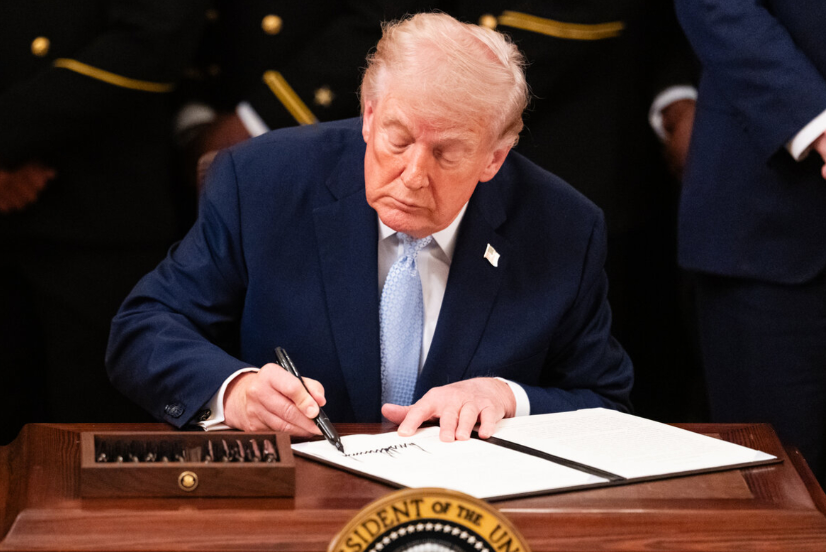
Trump Signature on US Dollar

Traditionally, US dollar banknotes carried only the signatures of the Treasury Secretary and the Treasurer of the United States. However, the new policy allows a president’s signature to appear on national currency for the first time. As a result, the announcement represents a historic shift in the presentation of American currency. Political observers believe the administration introduced this change to highlight confidence in the strength of the US economy. In addition, the decision comes during a period of global economic pressure and geopolitical tension. Therefore, officials see the move as a strong symbolic statement.

According to Treasury officials, the new design will first appear on $20 and $100 dollar notes. Later, authorities plan to expand the update to other denominations step by step. Meanwhile, existing currency notes will remain valid across the United States. The announcement has already created strong reactions nationwide. Some citizens support the decision as a bold leadership signal. However, others criticize the move as a break from long-standing institutional tradition. Consequently, economists and political analysts continue to debate the long-term impact of the decision.

Trump Extends Halt on Iran Energy Attacks.

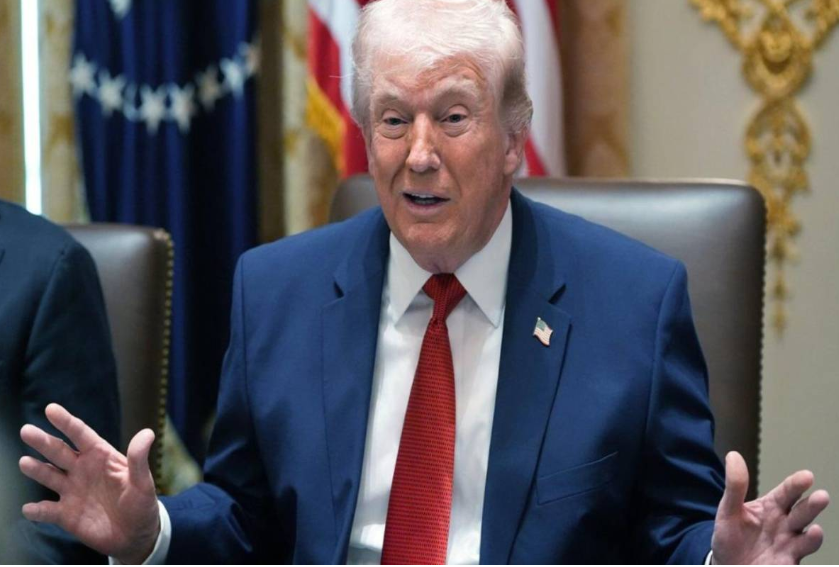
U.S. President Donald Trump has announced a 10-day halt on attacks targeting Iran’s power and energy facilities. This move provides Iran with a final opportunity to engage in talks and avoid further escalation.

Previously, on February 28, the United States and Israel conducted joint strikes on Iran after Tehran refused to sign a nuclear agreement. In response, Iran launched retaliatory attacks against U.S. and allied interests.

Additionally, Iran blocked the strategic Hormuz Strait, a key route for global crude oil shipments. Several cargo ships attempting to pass through the Strait faced missile and drone attacks. Iran also declared that American, Israeli, and allied vessels would not be allowed passage.

Earlier, Trump had warned that if Iran did not reopen the Hormuz Strait within 48 hours, U.S. forces would target Iran’s energy infrastructure. In retaliation, Iran threatened to strike power facilities in Gulf countries.

Meanwhile, the original U.S. deadline, set for March 24, was extended by five days due to ongoing negotiations. However, Iran has denied holding any direct talks with the United States.

Trump also continues to reference a 15-point U.S. proposal, which Iran has rejected, while maintaining that discussions are underway. As a result, attacks on Iran’s power and energy facilities are temporarily suspended for an additional 10 days. This extension underscores the high stakes in the U.S.–Iran standoff and the potential impact on Gulf energy security and global oil markets.

Iran Maritime Attacks Hit South Asian Workers

Iran’s Maritime Attacks Claim Hundreds of South Asian Lives

Iran carried out missile and drone attacks on cargo ships traveling through Gulf waters, killing hundreds of South Asian seafarers, including nationals from India, Pakistan, Sri Lanka, and Bangladesh, according to BBC reports.

In recent weeks, these attacks targeted ships bound for ports in Gulf Cooperation Council (GCC) countries. As a result, many international shipping companies have temporarily halted operations along these routes.

Furthermore, the loss of lives has caused severe economic repercussions for South Asian countries. Notably, families who depended on remittances sent by overseas seafarers now face extreme financial hardship.

Consequently, thousands of South Asian workers have started leaving the Gulf region, seeking safer employment elsewhere. Additionally, this crisis is putting significant pressure on domestic economies in the affected countries.

This ongoing conflict highlights the vulnerabilities of maritime trade in volatile regions and underscores the urgent need for international security measures to protect civilian seafarers and maintain economic stability.

Oil Prices Drop After Trump-Iran Talks

Oil prices dropped today (March 27) following US-Iran negotiations aimed at ending regional conflicts. President Donald Trump announced that Iran would pause attacks on energy facilities for 10 days, easing market fears.

Foreign media report that the weekly decline is the steepest in six months.

  • Brent crude futures fell by $0.84 per barrel (0.8%), closing at $107.17.
  • West Texas Intermediate (WTI) futures dropped $1.02 per barrel (1.1%), closing at $93.46.

Analyst Priyanka Sasthreva from Philip Nova warned that any direct damage or prolonged conflict in energy infrastructure could quickly push prices higher.

While Iran halts energy facility attacks, the US has deployed thousands of troops to the Middle East. Additionally, Trump is reportedly considering whether to use naval forces to secure Iran’s strategic oil hub, Kharg Island.

An Iranian official described the US 15-point proposal sent via Pakistan to Tehran as “one-sided and unjust,” according to Reuters.

Middle East Tension Drives Fertilizer Prices.

Global fertilizer prices have surged to record levels amid ongoing tensions in the Middle East. The price of urea fertilizer has risen by 11% compared to last month, surpassing $677 per ton. In New Orleans, urea prices have reached a peak unseen in the past three years. Anhydrous fertilizer has also experienced a significant increase, rising by 8% month-on-month to an average of $931 per ton. These price spikes mark a notable return to historical highs that were last seen during the Ukraine-Russia conflict in 2022.

While fertilizer prices remained relatively stable throughout 2023 and 2024, the recent geopolitical instability in the Middle East has triggered this sudden upward trend. Analysts warn that these rising costs may increase agricultural production expenses worldwide, impacting crop prices and food supply chains.

Middle East Tensions Affect Sri Lanka Ports

Sri Lanka has become a key hub for luxury car imports, as Middle East tensions continue to disrupt global shipping routes. Approximately 50 used luxury vehicles, including Lamborghini, Rolls-Royce, and Ferrari, have been offloaded at Sri Lankan and Chinese ports due to delays caused by ongoing conflicts in the region.

The closure of the Strait of Hormuz has significantly impacted shipping schedules, forcing shipments from Dubai and other Middle Eastern ports to reroute. This diversion has caused congestion at Sri Lankan ports, particularly at Hambantota, where a vessel carrying more than 500 used luxury cars has been delayed for over ten days.

Exporters from Japan and South Korea report that the rerouting of cargo to South Asia has increased storage and logistical costs. The persistent instability in the Middle East has also affected neighboring shipping lanes, slowing deliveries to Sri Lanka and other parts of South Asia.

Sri Lanka’s position as an emerging hub for luxury car imports highlights the country’s strategic role in regional logistics, but ongoing geopolitical tensions continue to challenge timely shipments and port efficiency.