Deadly End for Police Shooter

In the Australian state of Victoria, a wanted gunman, Dezi Freeman, has been fatally shot during a police operation. Authorities reported that a confrontation lasting approximately three hours ended with Freeman being killed by law enforcement officers.

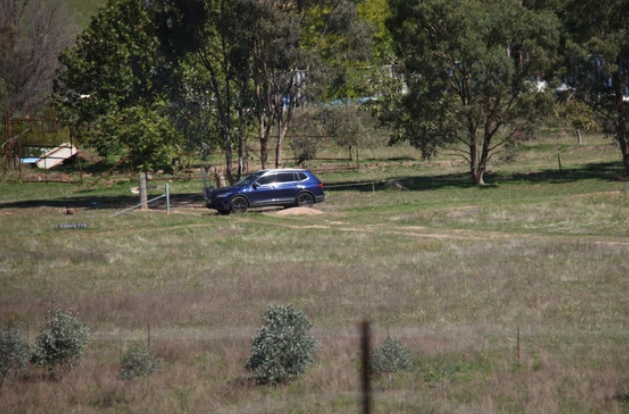
Special units located Freeman early in the morning on a remote property near Thologolong. The gunman had been one of the most wanted criminals in the country. Over several months, hundreds of officers, supported by helicopters, drones, and K-9 units, scoured the difficult terrain in an unprecedented manhunt. Officials repeatedly warned that Freeman was considered “extremely dangerous.”

Seven months prior, Freeman opened fire on police officers on his property near Porepunkah, roughly 300 kilometers northeast of Melbourne. Two officers were killed, and another was seriously injured. Armed, Freeman escaped into dense forest, initiating a nationwide search. His wife, Amalia Freeman, who shares three children with him, publicly urged him to surrender.

Freeman was linked to the “Sovereign Citizens” movement, an ideological group comparable to Germany’s “Reichsbürger” phenomenon. Court documents and media reports described him as a convicted gun enthusiast who resisted all forms of government authority.

Police investigations continue to determine whether Freeman received assistance from associates during his months on the run. Authorities are carefully reviewing all potential connections and support networks to prevent similar threats in the future.
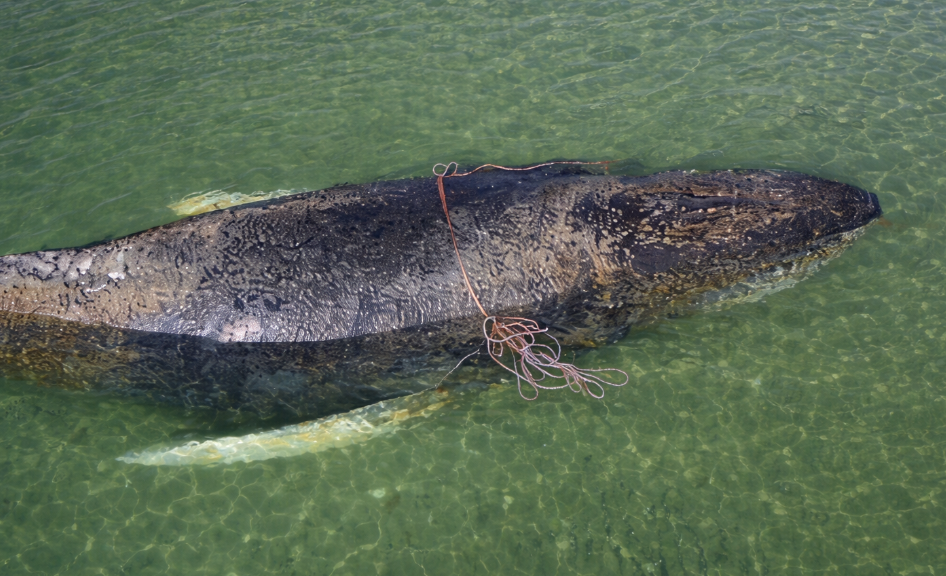
Humpback Whale Remains Stranded in Wismar Bay.

A humpback whale that became stranded off the coast of Wismar in Germany has not yet freed itself and remains in the bay, according to a spokesperson from the Wismar Water Protection Police. The situation, they noted, remains unchanged from the previous day, with the whale showing no movement. Low tide and reduced water levels have made the conditions more difficult, complicating potential rescue efforts.

Authorities are monitoring the whale closely, but further action depends on expert evaluation. Officers from the Water Protection Police, accompanied by marine biologists from Greenpeace, visited the whale early in the morning by inflatable boat to assess its condition. Decisions on whether the whale should be left undisturbed or gently encouraged to move will be made based on the situation.

During the night, the whale was continuously observed, and it was noted to be breathing. A shift system was implemented by the police to ensure that the animal was never left unmonitored. On Sunday, the German Oceanographic Museum reported that the whale appeared very weak, with a reduced breathing rate, highlighting the need for constant observation.

Currently, Wismar Bay is experiencing wind and rain, which may further affect the whale’s condition. Authorities emphasize that rescue or intervention will proceed cautiously, guided by expert advice to minimize stress and risk for the stranded humpback whale.

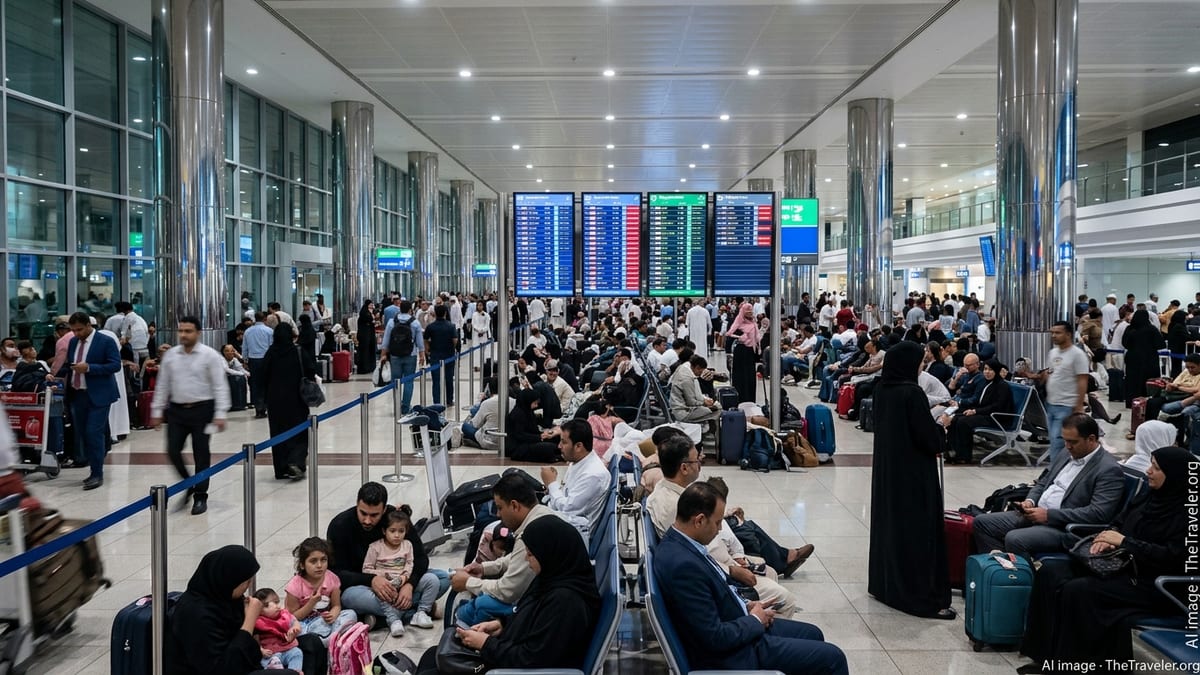
Middle East Tensions Trap Travelers as Saudi Arabia Offers Visa Relief Across Gulf.

Rising tensions in the Middle East have disrupted travel across the Gulf region, leaving thousands of tourists stranded due to widespread flight suspensions and airport closures. In response, Saudi Arabia has introduced key visa relief measures to support affected travelers.

Authorities confirmed that these disruptions stem from ongoing geopolitical conflicts involving Iran, Israel, and their regional allies. As a result, air traffic across several Gulf countries has been severely impacted, forcing governments to act quickly.

Saudi Arabia has taken a leading role by easing visa penalties and automatically extending expired visas. Officials aim to reduce the burden on tourists who are unable to leave due to circumstances beyond their control.

Following similar steps, Qatar and Kuwait have also implemented emergency visa extensions. In Qatar, authorities granted a one-month extension for all visas that expired on or before February 28, 2026, after operations at Hamad International Airport were halted.

Meanwhile, Kuwait introduced a three-month grace period for foreign residents and tourists. This decision came after drone-related threats and multiple flight cancellations disrupted operations at Kuwait International Airport.

These coordinated actions by Gulf Cooperation Council (GCC) countries highlight a regional effort to manage the crisis effectively. Governments continue to prioritize the safety and legal protection of stranded travelers.

Experts believe that these visa relaxations will ease immediate concerns, but ongoing instability may continue to affect travel and economic activities across the Middle East.

Pentagon Prepares Ground Operations Near Kharg Island and Hormuz Strait.

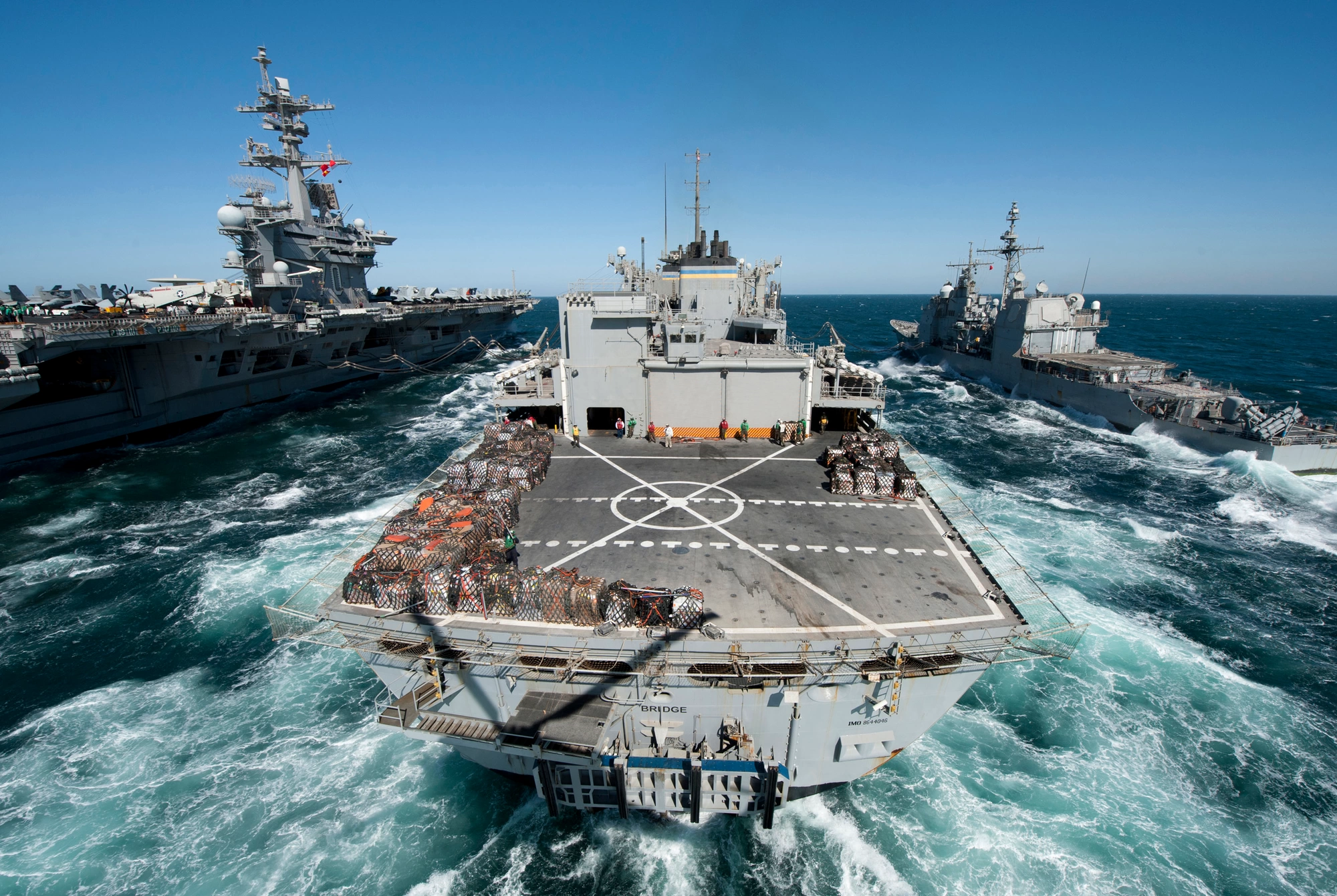
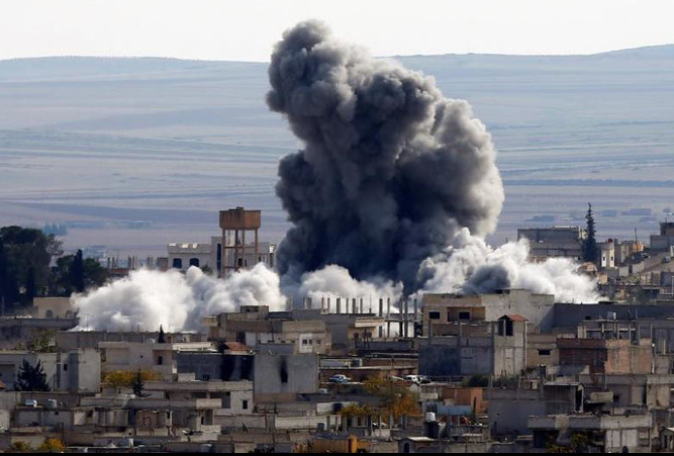
The United States is actively reviewing military options near key Iranian coastal regions as tensions in the Middle East enter the fifth week. According to a report by The Washington Post, the Pentagon is preparing for potential targeted operations near Kharg Island and the Hormuz Strait.

These plans may include rapid-response attacks by special operations forces along with support from conventional ground troops. However, officials clarify that any action would remain limited and would not escalate into a full-scale invasion.

Meanwhile, uncertainty remains over whether Donald Trump will approve such operations. Reports indicate that internal discussions continue within the administration, with no final decision confirmed.

Strategically, Kharg Island plays a critical role in Iran’s economy. It handles nearly 90% of the country’s crude oil exports. Because of this, military planners consider it a high-value target in any escalation scenario. In addition, US officials are evaluating operations near the Strait of Hormuz. This narrow waterway remains one of the most vital global oil transit routes. Disruptions here could significantly impact international energy markets.

Furthermore, the proposed missions aim to identify and neutralize weapons systems that threaten both commercial and military vessels. These include coastal missile platforms and maritime attack capabilities.

Sources suggest that these objectives could be achieved within weeks rather than months. However, some estimates extend the possible timeline to around two months, depending on operational complexity.

Earlier this month, US airstrikes already targeted key locations linked to Iranian military infrastructure. President Trump described Kharg Island as the “crown jewel” of Iran’s oil economy, highlighting its importance.

At the same time, Washington continues to pressure Tehran to reopen safe navigation routes in the Hormuz Strait. The situation remains volatile, and any escalation could affect global oil supply chains and regional stability.

Iran Warns of “Fire Rain” as US Allegedly Plans Secret Ground Attack.

Iran Accuses US of Secret Military Plot

Iran’s Parliament Speaker, Mohammad Bagher Ghalibaf, has accused the United States of secretly preparing a ground attack while publicly signaling willingness for diplomatic talks. The statement has intensified already rising tensions between the two nations.

Contradictory Signals Raise Concerns

According to Iran’s official news agency, the United States has presented a 15-point proposal aimed at negotiations. However, Iranian officials believe this move is a strategic attempt to achieve through diplomacy what it failed to accomplish in conflict. As a result, trust between both sides continues to weaken.

Iran Signals Strong Military Readiness

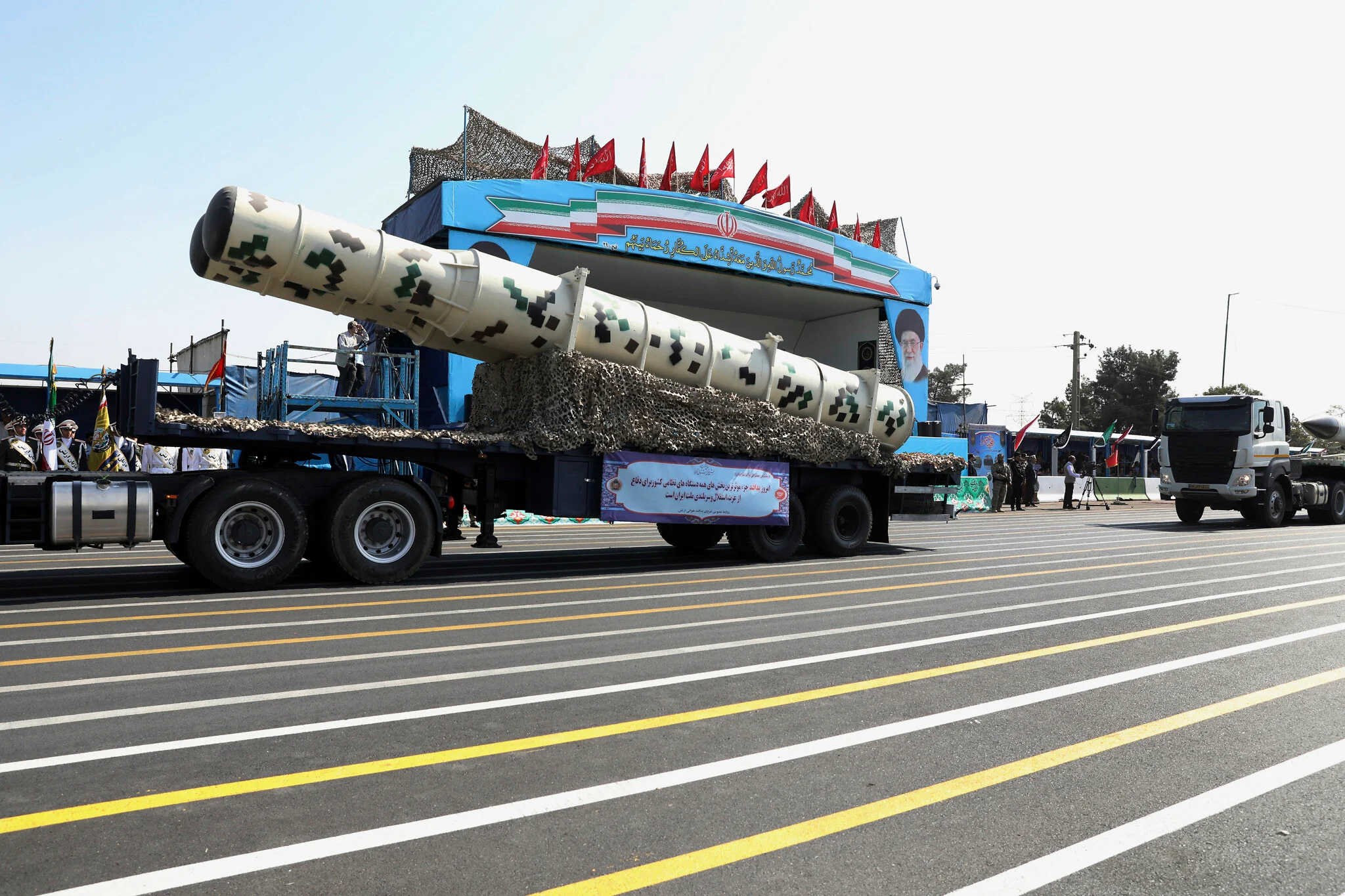
Ghalibaf emphasized that Iranian forces remain fully prepared for any potential ground invasion. He warned that if US troops attempt to enter Iranian territory, they will face a severe and immediate military response. Iran has clearly stated that it will not tolerate any form of humiliation or aggression.

Rising Tensions in the Middle East

Meanwhile, geopolitical analysts warn that escalating rhetoric could further destabilize the Middle East. The situation reflects growing uncertainty in global security, especially as both nations maintain strong military capabilities and strategic influence in the region.

Iran Blames US Officers for Deadly School Strike Killing 165 Girls.

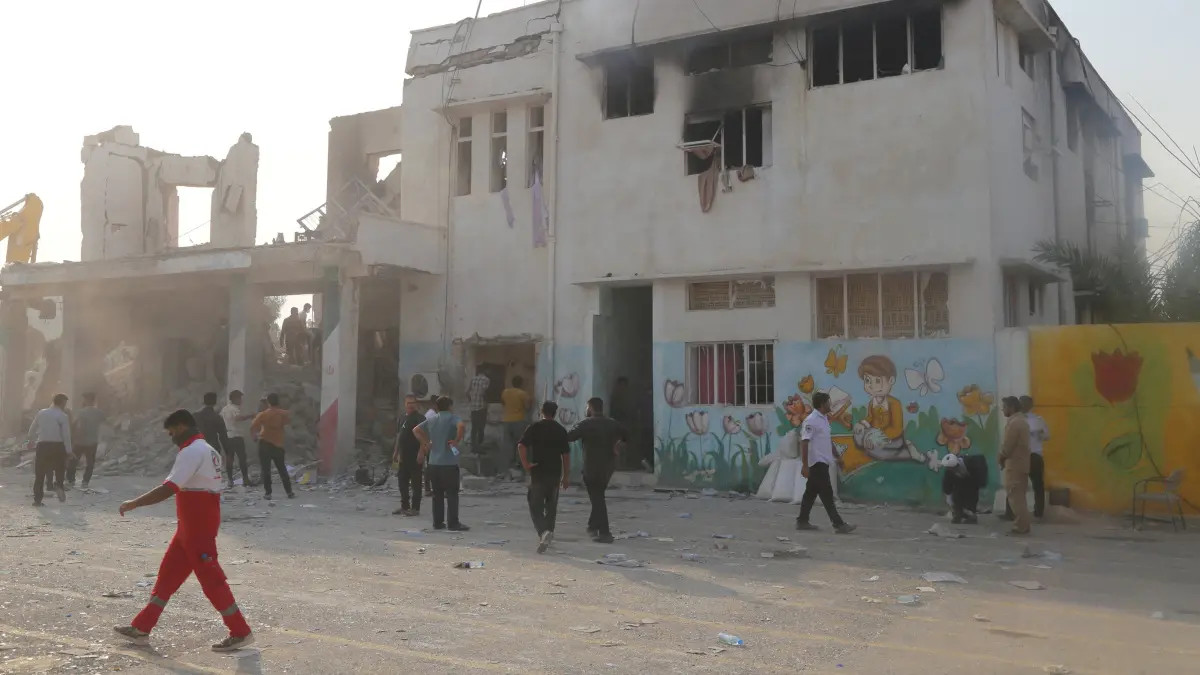
Iran has accused the United States of carrying out a devastating missile strike on a girls’ primary school in Minab, southern Iran. The attack reportedly killed more than 165 people, including young students and teachers, making it one of the deadliest civilian incidents in recent times.

According to Iranian authorities, the strike targeted the Shajareh Tayeba Girls’ Primary School on the same day the country’s Supreme Leader was reportedly assassinated. Officials claim the timing and scale of the attack indicate a serious escalation in regional tensions.

Initially, the United States denied any involvement in the incident. However, US officials later acknowledged that outdated or incorrect mapping data may have led to the accidental targeting of the school instead of a nearby military site. This admission has triggered widespread global concern and criticism.

Iran has now released the names and images of two senior US Navy officers it holds responsible for the strike. The individuals, identified as Leigh R. Tate and Jeffrey E. York, allegedly authorized the launch of Tomahawk missiles from the USS Spruance warship.

Iranian embassies in countries such as India, South Africa, and Nigeria have shared these images on social media, urging the international community to “remember these individuals.” The move reflects Iran’s attempt to hold specific personnel accountable for the tragic incident.

The attack has drawn condemnation from various international organizations and governments. Many have called for a full investigation into the incident, emphasizing the need to protect civilians, especially children, during armed conflicts.

This event has intensified geopolitical tensions and raised serious questions about military targeting systems, accountability, and the protection of innocent lives in conflict zones.

Special Security Plan to Begin from April 1 for Sinhala New Year Travel Safety

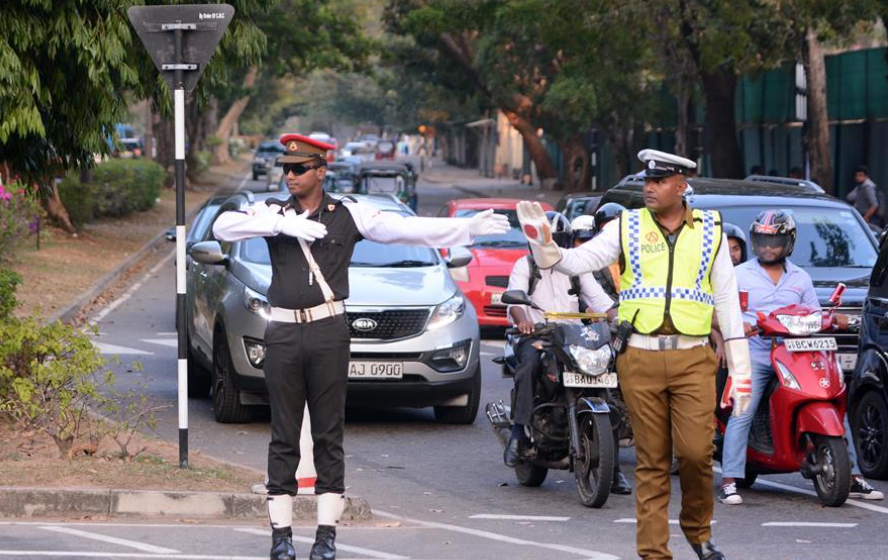
A nationwide special security plan will be implemented from April 1 ahead of the upcoming Sinhala and Tamil New Year season, it has been announced by the Traffic Management and Road Safety Division of the Sri Lanka Police.

The security arrangements will be strengthened across the country because a significant increase in public movement and vehicle traffic is expected during the festive travel period. Therefore, additional traffic police officers and security personnel will be deployed to support road safety operations.

Furthermore, special traffic control measures will be introduced in key urban locations, especially in Colombo and other major cities, where transport activity is expected to rise sharply during the holiday season.

In addition, railway stations, main bus terminals, and major commercial centers will be closely monitored under the special operational plan. These locations have been identified as high-movement zones during the New Year travel rush.

Meanwhile, coordinated security operations will also be carried out to ensure safer travel conditions for passengers. As a result, improved traffic flow and reduced congestion are expected across major transport routes during the festive period.

Authorities have stated that these preventive measures are being introduced to enhance public safety while supporting smooth transportation during the Sinhala and Tamil New Year celebrations nationwide.

Houthi Rebels Launch Intense Missile Attack on Israel.

Houthi rebels from Yemen launched a large-scale cruise missile and drone attack targeting southern Israel. Meanwhile, this marks the second major strike by the group.

Yahya Saree, the Houthi military spokesperson, said the operation focused on Israel’s key military positions. Additionally, he claimed the attack coordinated with Iranian and Hezbollah forces.

According to Saree, “The targeted sites were successfully hit.” Earlier, Israel intercepted a previous missile launched after hostilities with Iran.

Reports from Israeli and U.S. media indicate that this second attack caused significant destruction. As a result, analysts warn Israel now faces a multi-front war scenario.

Moreover, threats now come from Yemen, Iran, and Lebanon. Security experts emphasize that Israel confronts pressure on several fronts.

Consequently, the region could escalate into a large-scale conflict if tensions continue. The Houthi assault highlights growing instability in the Middle East.

Authorities continue monitoring missile trajectories. Furthermore, they are preparing for possible retaliatory operations.

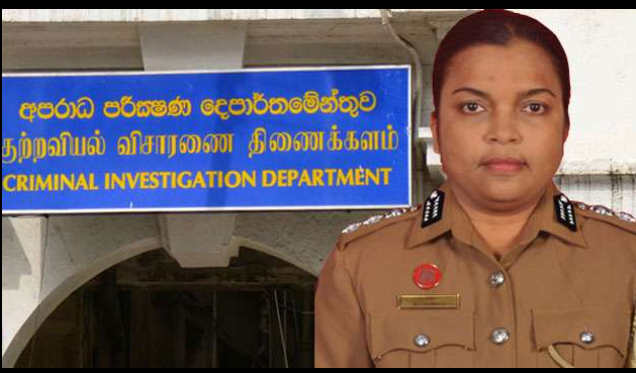
Woman Arrested in Batticaloa Murder Probe

Police intensified investigations into recent murder and robbery incidents that shocked Batticaloa District.

Authorities confirmed that investigators arrested a woman in connection with the case. Officers from the Eastern Province Special Crime Investigation Unit carried out the operation.

During the investigation, officers recovered a quantity of drugs believed to have been used to sedate victims. Police seized the substances on Monday evening as part of ongoing evidence collection.

Earlier, unknown suspects abducted a woman from Vavunathivu on the 19th. Police rescued her alive the next day from a well in Nellikadu, located within the Kokkaddicholai Police Division.

However, officers also recovered the body of another woman from the same well. The discovery increased public concern across the district.

Investigators continue questioning suspects and examining forensic evidence. Authorities say the investigation remains active as they search for more links to the crimes.

Security officials stated that further arrests could follow as new information emerges.

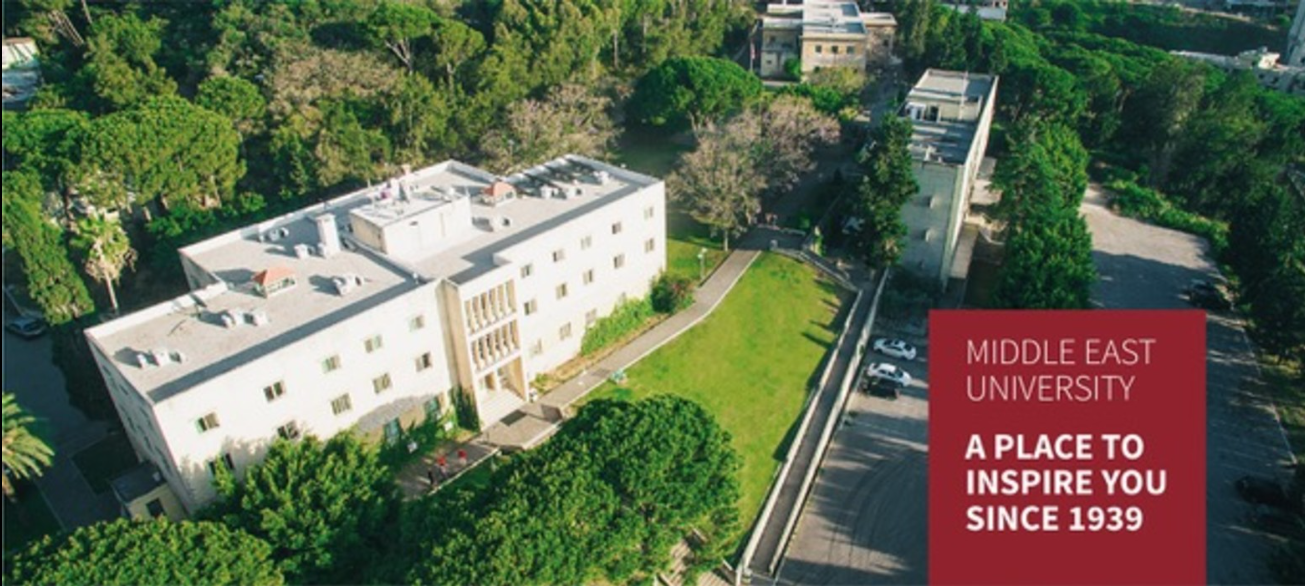
IRGC Warns of Possible Attacks on US-Israeli Universities.

The Islamic Revolutionary Guard Corps (IRGC) has issued a strong warning that universities linked to the United States and Israel in the Middle East could become potential targets amid rising regional tensions.

According to foreign media reports, the warning followed an alleged attack on a science and technology university located in Tehran, Iran. After the incident, the IRGC reportedly stated that universities connected to U.S. and Israeli institutions in the region may now be considered legitimate strategic targets. The IRGC also advised students, staff members, and residents living near these institutions to stay away from the affected locations as a precautionary safety measure.

In addition, the group called on the United States to officially condemn reported airstrikes targeting Iranian universities. It warned that failure to respond could increase the risk of further escalation involving American-linked institutions in the region. Foreign media reports further indicated that the IRGC set a deadline requesting a response from the United States before 12:00 PM Iran time on March 30, emphasizing the urgency of the situation. Security analysts say the warning reflects growing tensions in the Middle East and raises concerns about the safety of educational institutions operating in sensitive geopolitical zones.