English



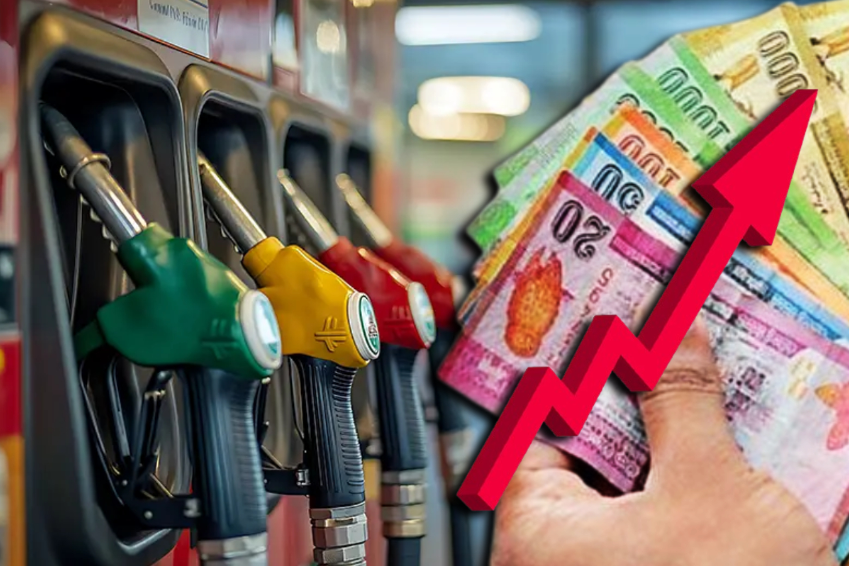

























































































US Lifts Iranian Oil Sanctions Amid Soaring Global Gas Prices.

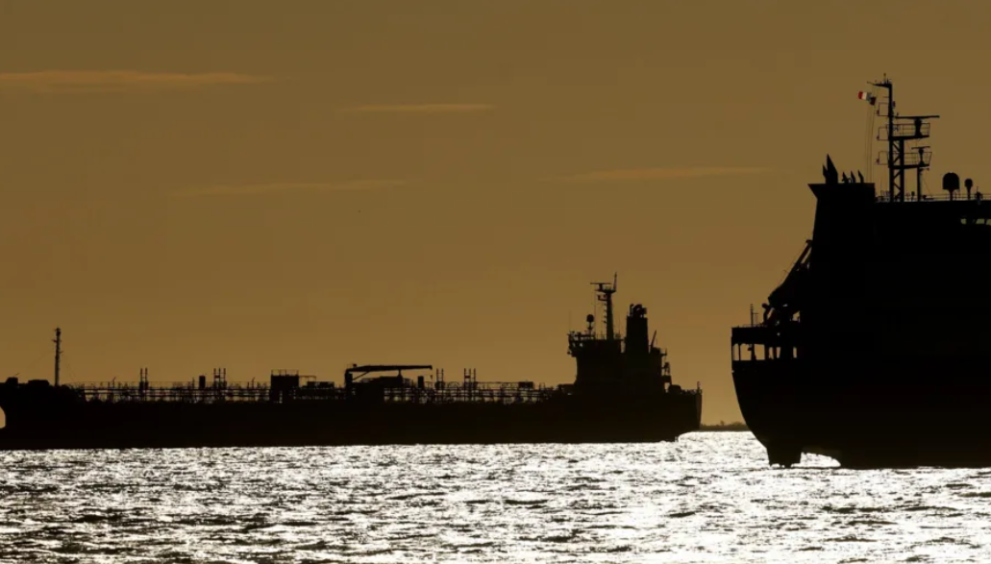
Washington, March 21, 2026 – The United States has issued a temporary waiver allowing the sale of Iranian oil currently stranded at sea, in an effort to address rising global gas prices exacerbated by the ongoing war in the region.
Treasury Secretary Scott Bessent announced the short-term authorization, which will remain valid until April 19, permitting the sale of crude oil and petroleum products of Iranian origin. The move is seen as a significant shift in longstanding US policy toward Iran, though analysts caution that the impact on global prices may be limited.
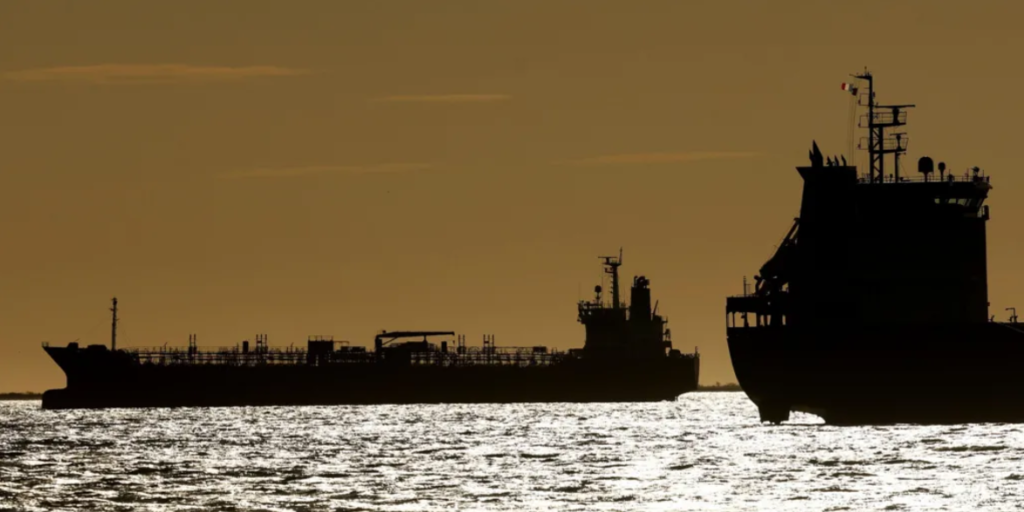
According to the Treasury Department, the waiver is expected to release approximately 140 million barrels of oil into the international market. Before sanctions tightened, China was the primary buyer of Iranian oil, purchasing barrels at deep discounts. The waiver aims to redirect these supplies to countries in need, including India, Japan, and Malaysia, while encouraging China to pay market rates.
However, experts have expressed concerns about potential unintended consequences. David Tannenbaum, director of Blackstone Compliance Services, warned that allowing Iran to sell oil could indirectly fund the ongoing conflict. Similarly, Rachel Ziemba, senior fellow at the Center for a New American Security, highlighted the challenges of ensuring that revenue does not flow back to the Iranian government.
The US has taken other steps to stabilize oil supply, including releasing reserves and temporarily suspending some sanctions on Russian oil. The conflict has disrupted shipping through the Strait of Hormuz, a vital passage for about one-fifth of the world’s daily oil consumption, further tightening global supply.
Energy analysts estimate that the war has removed roughly 10% of the world’s oil supply from the market. Attacks on key gas fields in Iran and Qatar have heightened concerns over long-term constraints on fossil fuel production, even if the conflict ends soon.
As global energy markets remain volatile, this temporary measure reflects the US government’s urgent efforts to stabilize supply while balancing geopolitical risks.