

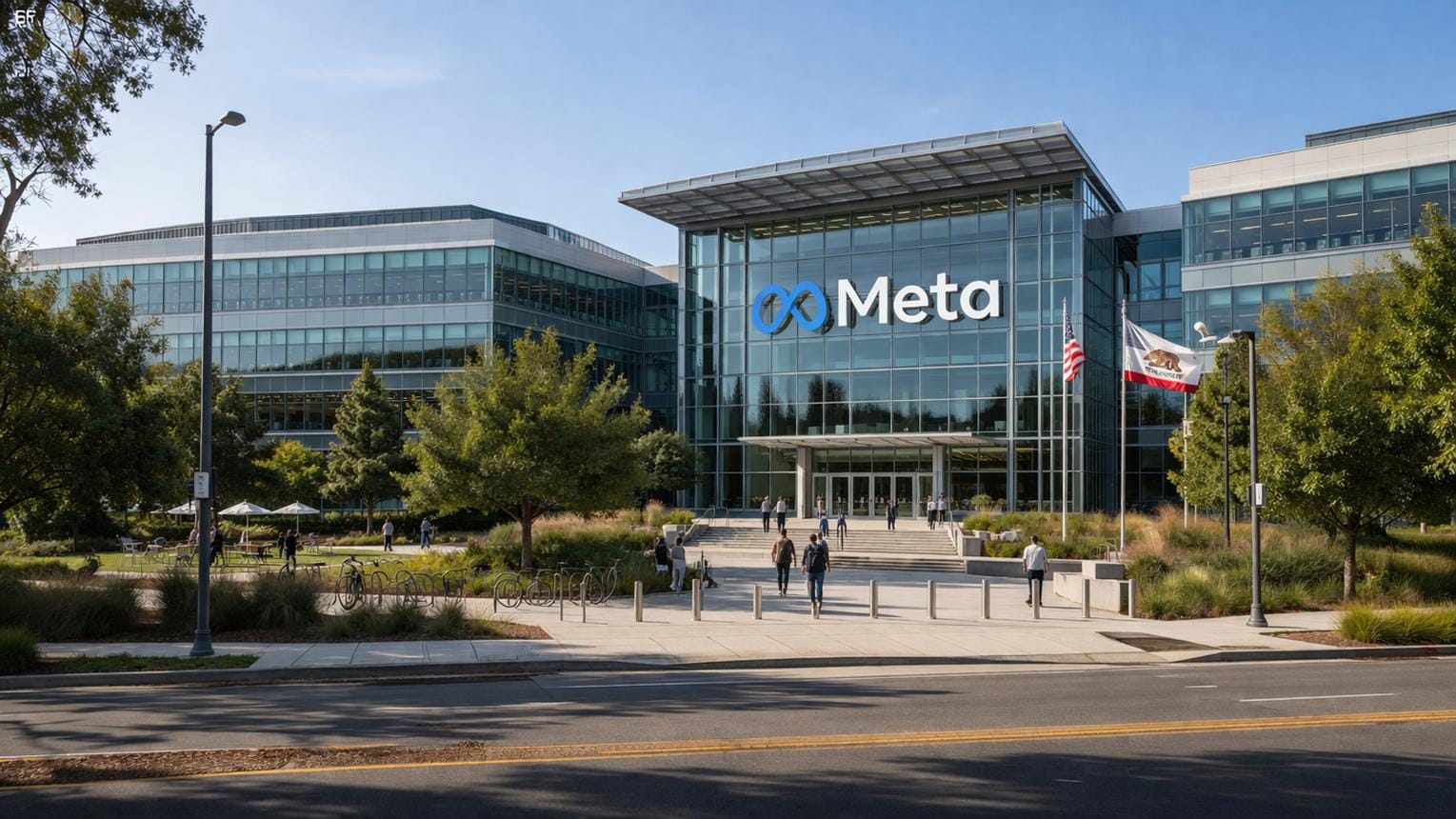

Meta Pushes Congress for Legal Shield in Child Safety Lawsuits
Meta Platforms is reportedly lobbying the United States Congress to secure legal immunity from child-harm lawsuits linked to its social media platforms, including Instagram, as regulatory pressure over online safety intensifies.
According to sources familiar with the matter, Meta has proposed legislative language as part of the Kids Online Safety Act (KOSA), a major US bill aimed at strengthening protections for children online.
The proposed provision would limit lawsuits against technology companies by granting immunity from state-level claims related to harms affecting users under the age of 18. If adopted, the measure could significantly affect thousands of ongoing and future legal cases against Meta and other major platforms.
Growing Legal Pressure on Social Media Platforms
Meta and Google’s YouTube are currently facing increasing legal scrutiny over allegations that platform design features contributed to harmful or addictive behaviour among young users.
Earlier this year, both companies were found liable in a case that resulted in approximately $6 million in damages. The ruling marked a significant development in ongoing litigation targeting the safety design of major social media platforms.
Plaintiffs in multiple cases argue that features such as infinite scrolling, push notifications, and algorithm-driven feeds contribute to compulsive usage patterns and negatively impact mental health among minors.
KOSA Bill at the Centre of Debate
The Kids Online Safety Act is one of the most significant proposed reforms to US digital regulation in recent years. The bill would require social media companies to take stronger measures to prevent harm to minors and redesign features that could encourage excessive usage.
Under the proposed framework, companies would be expected to apply “duty of care” standards when designing features such as auto-play videos, notifications, and visual filters.
While the bill has received bipartisan support in the Senate, it has previously faced challenges in the House of Representatives. It has now been reintroduced amid renewed political negotiations.
Controversy Over Immunity Provision
The most controversial aspect of the proposed amendment is the suggestion that platforms could receive immunity from lawsuits related to child safety harms if they comply with federal standards.
Critics argue that such a provision could block families and advocacy groups from seeking legal accountability for alleged harms caused by platform design choices. Supporters, however, claim that a unified federal standard would reduce fragmented state-level regulation and provide clearer compliance rules for companies.
Meta has stated that the proposed language is intended to create consistent national standards rather than eliminate legal accountability.
Political Negotiations Continue
The bill is currently under discussion between US lawmakers and the White House, with efforts underway to combine child safety legislation with broader technology regulation, including artificial intelligence governance.
Despite strong Senate support in previous votes, the final outcome remains uncertain as debates continue over the balance between child protection, innovation, and corporate liability.