 English






































































Iran Conflict: Global Travel & Economic Impact.

Iran conflict global impact is becoming increasingly visible across travel, economic, and political sectors worldwide. The ongoing tensions involving Iran are significantly affecting people living in Switzerland, Sri Lanka, and global Tamil communities.
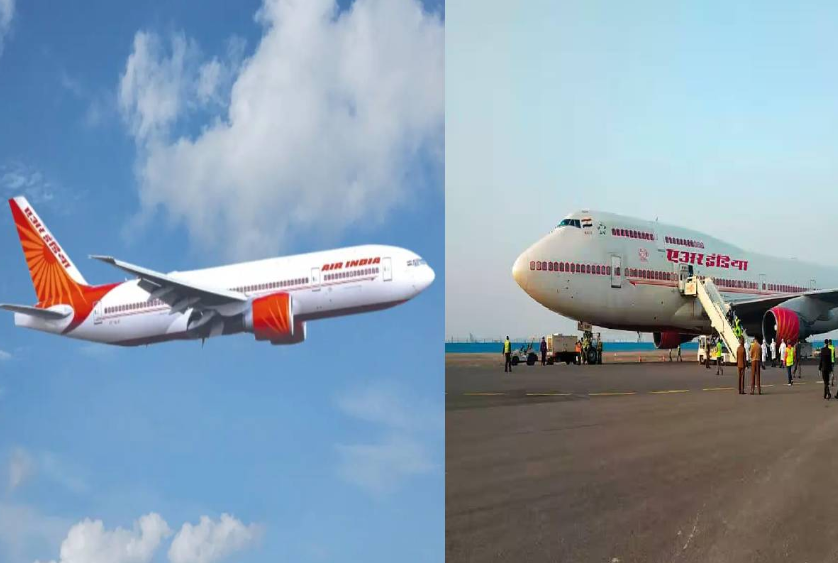
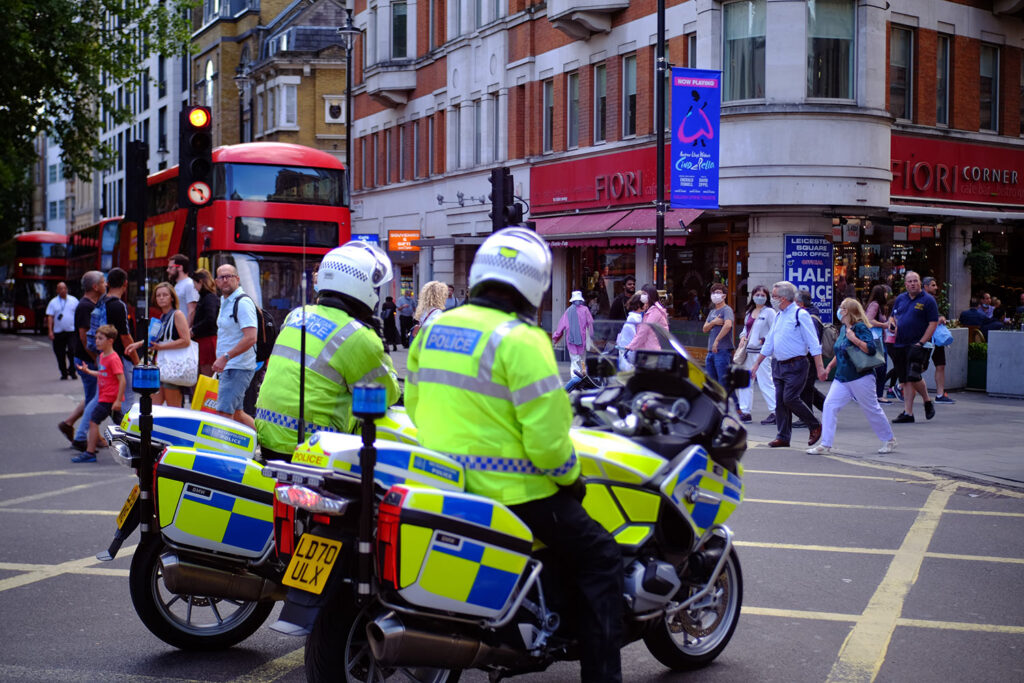
One of the most immediate effects of the Iran conflict global impact is on international air travel. Due to instability in the Middle East, airlines are avoiding certain airspaces, leading to longer routes, increased travel times, and higher ticket prices. This has created challenges for travelers, especially Tamils commuting between Switzerland and Sri Lanka.
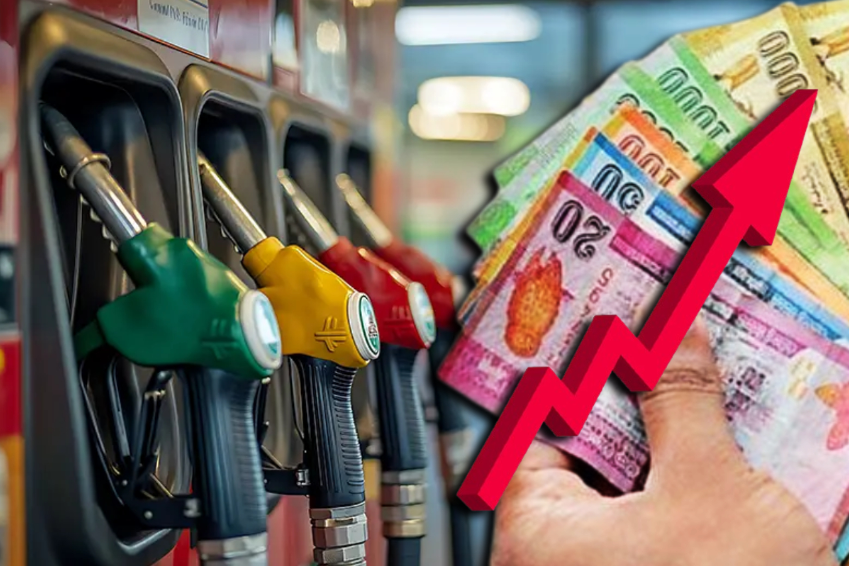
Economically, the Iran conflict global impact is driven by rising oil prices. As Iran is a major oil producer, disruptions in supply chains can increase global fuel prices. For Sri Lanka, this means higher import costs for fuel, medicine, and essential goods, worsening the existing economic crisis. Remittances and tourism may also be indirectly affected.
In Switzerland, inflation is expected to rise due to the Iran conflict global impact, reducing purchasing power and affecting savings. Supply chain disruptions may also lead to shortages of imported goods.
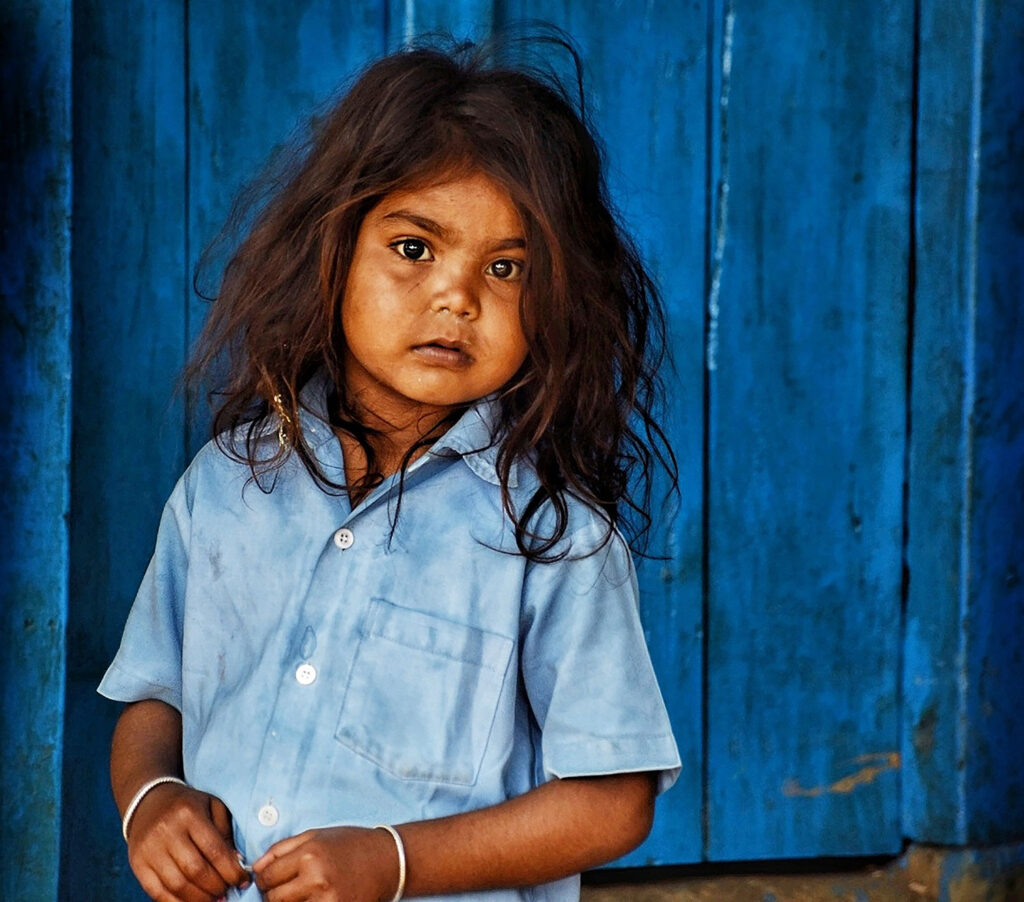
For Tamil communities, the Iran conflict global impact creates a dual burden—higher living costs abroad and increased financial pressure to support families in Sri Lanka facing economic hardship.
Politically, the Iran conflict global impact could reshape global alliances. Countries like United States, Russia, and China are expected to play key roles in shaping future geopolitical dynamics.